
What Chicago Building Codes Mean for Your Second Floor Addition: A Homeowner's Structural Guide

Before you can add a second story to your Chicago home, your existing structure must be evaluated for its ability to support additional weight. This isn't just about good practice—it's a legal requirement. Understanding Chicago's specific building codes and structural prerequisites can save you thousands in unexpected reinforcement costs and prevent project delays.
Chicago homeowners planning second-story additions frequently underestimate the structural requirements that building codes impose. You can't simply build a second story and hope the existing structure supports it. Chicago's building code requires that any addition structurally integrate with the existing home safely and that the combined structure meets current code standards. This means structural engineering assessment, foundation evaluation, and potentially reinforcement work before construction can proceed. Understanding what building codes require helps you anticipate costs, plan realistic budgets, and understand why contractors insist on structural assessment before committing to second-story projects. This guide explains Chicago's building code requirements for second-story additions in plain language, helping homeowners navigate structural prerequisites without becoming structural engineers themselves.
Fundamental Requirement: Load-Bearing Capacity Assessment
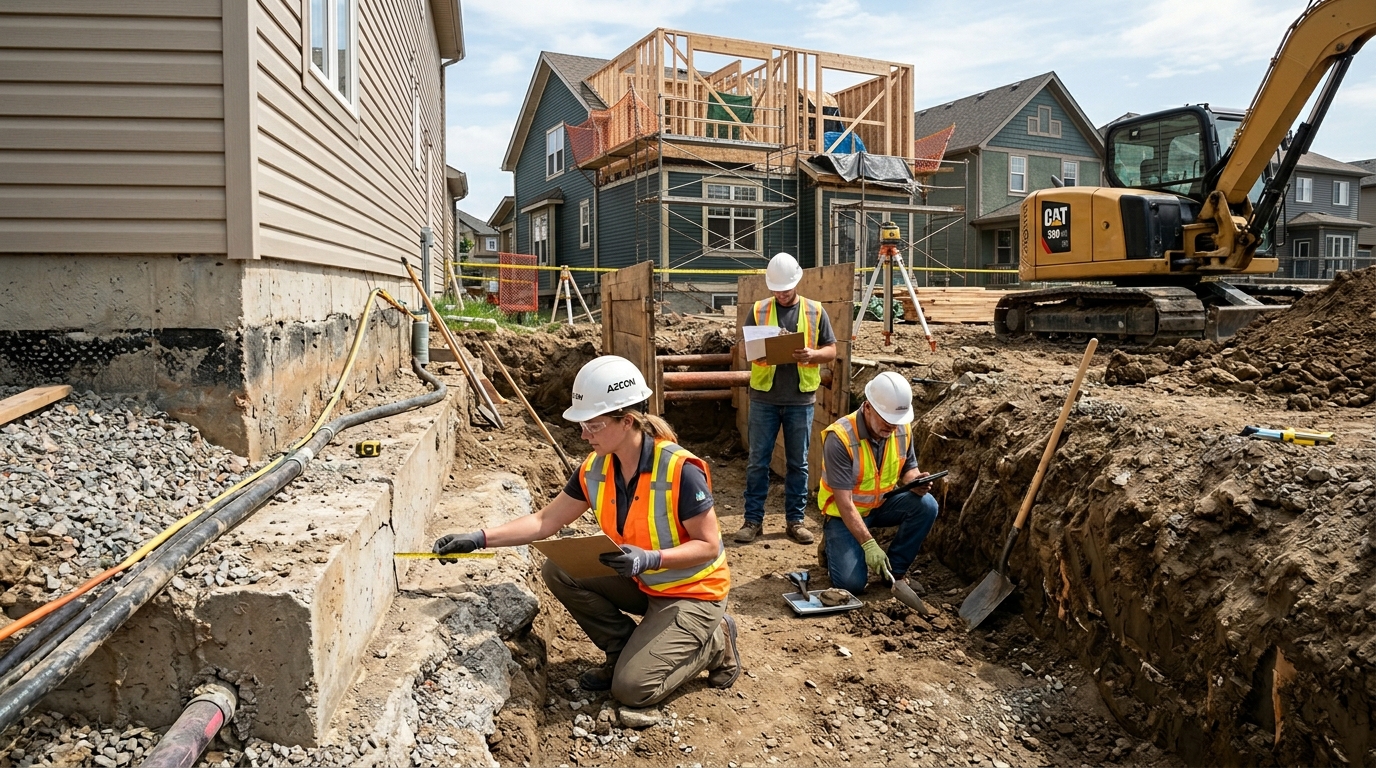
Chicago's building code requires that any existing structure accepting an addition be evaluated for its ability to safely support additional load. You cannot legally add a second story without a structural engineer assessing whether your existing foundation, walls, and structure can support the weight of a second story plus occupants, furnishings, and snow loads. This assessment is mandatory, not optional. Building inspectors will require proof that structural engineering assessment was completed and that existing structure meets code requirements before they'll approve permits.
Load-bearing capacity depends on several factors: the original design and construction of your home, the materials used, the condition of those materials after decades of exposure to Chicago's weather, and the quality of the original construction. A well-built 1920s greystone with solid masonry construction typically has excellent load-bearing capacity. An older home with poor maintenance or structural damage might have questionable capacity. Only structural engineering can determine whether your specific home can safely support a second story.
The structural engineer's job is to calculate the weight of the proposed second story (the dead load—the structure itself) plus expected live loads (people, furniture, snow on the roof), evaluate whether existing structure can safely support that combined weight, and recommend reinforcement if needed. If existing structure cannot safely support the load, reinforcement work becomes mandatory before construction proceeds. This reinforcement might involve foundation underpinning, wall strengthening, or other modifications that add significant cost and timeline to your project.
Foundation Requirements for Second-Story Additions
Chicago's building code requires that foundations supporting additional stories meet specific standards. Existing foundations must be evaluated to confirm they're adequate for the increased weight. In many older Chicago homes, existing foundations are solid—century-old bungalows and greystones were built with robust construction. However, some foundations require reinforcement or modification to safely support additional stories.
Foundation assessment typically costs $1,500-3,000 and involves excavation and structural evaluation to understand soil conditions, footing depth, foundation material (brick, concrete, fieldstone), and condition. Soil testing might be required to confirm bearing capacity—the ability of the soil to safely support the structure's weight without settling. Chicago's soil conditions vary significantly by neighborhood. Some areas have excellent bearing capacity while others have problematic clay or fill that requires special consideration.
If foundation evaluation reveals inadequate capacity, reinforcement becomes necessary. Underpinning—strengthening existing foundations to support additional weight—might involve installing new pilings, reinforcing existing footings, or other structural modifications. Underpinning is expensive work, often $10,000-30,000+ depending on extent needed, and it's not optional if code requires it. Budget conservatively when planning second-story additions because foundation surprises are common in older homes.
Load-Bearing Walls and Structural Systems
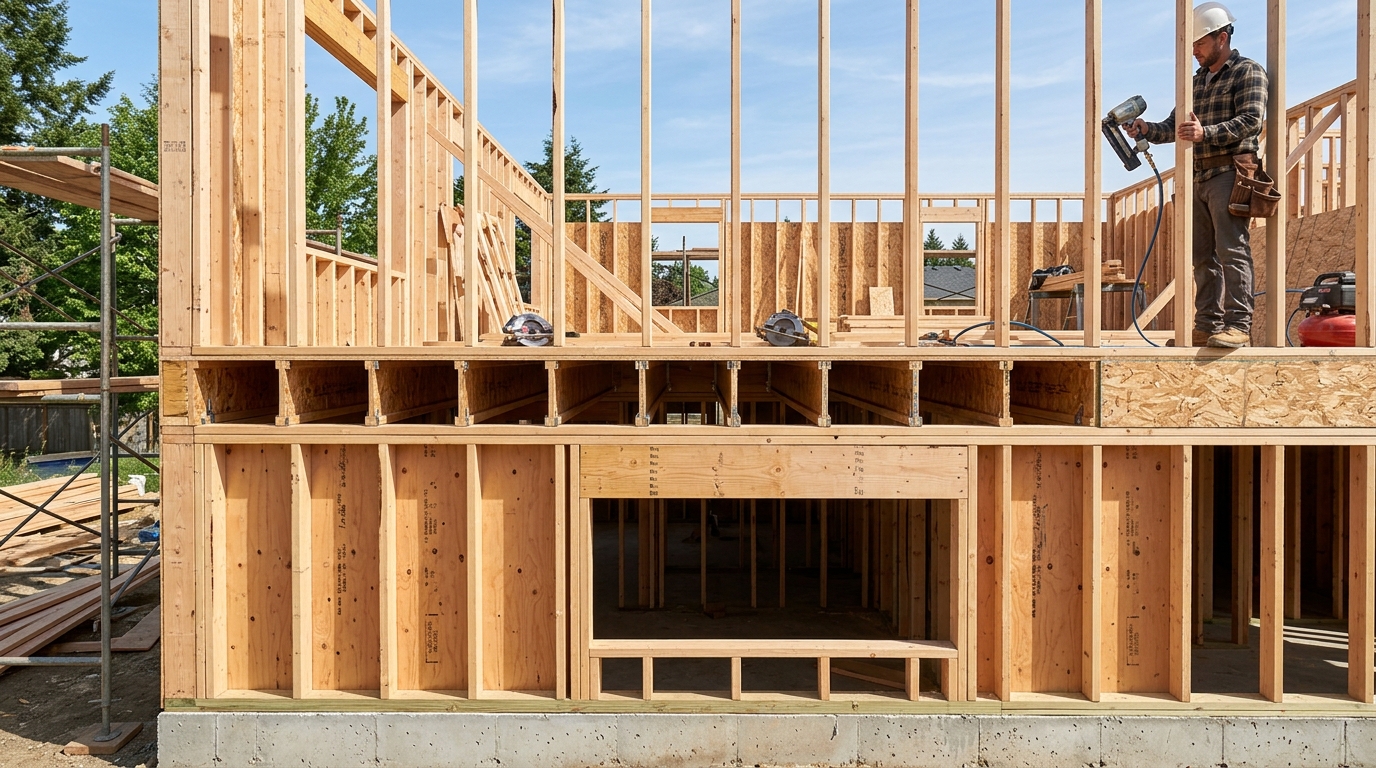
Chicago's building code specifies that walls supporting additional stories must be designed and constructed as load-bearing walls. A load-bearing wall carries weight from the structure above it. Non-load-bearing walls do not. For a second-story addition, exterior walls of the addition must be properly designed load-bearing walls, and they must sit above structurally continuous support from walls or beams below them.
This requirement means you cannot simply build a second story on top of the existing structure without attention to how loads are transferred down to the foundation. If your first floor has load-bearing walls that align with where the second-story walls will sit, load transfer is straightforward. If existing first-floor layout doesn't align with where second-story walls need to be, structural modification becomes necessary. Beams might need to be installed on the first floor to carry second-story wall loads down to the foundation.
Understanding load paths is critical. Every structural element in the second story eventually transfers its weight down through the first floor to the foundation. If that load path is interrupted or inadequately designed, structural failure risk increases. This is why professional structural engineering is mandatory—improper load paths create safety hazards and building code violations.
Roof Structure and Integration
Adding a second story requires modification of your existing roof structure because the second story must be integrated with the roof system. Your existing roof was designed to cover the original structure's footprint. A second-story addition either extends the roof or integrates with existing roof structure in ways that require engineering analysis and redesign.
Chicago's building code requires that roof structure meet current code standards for load capacity. Snow loads are particularly relevant in Chicago because winter snow accumulation adds significant weight to roofs. A roof designed for an older, lighter snow load standard might need strengthening to meet current code requirements. Engineers evaluate existing roof structure and design either roof modifications to strengthen it or complete roof replacement if existing structure is inadequate.
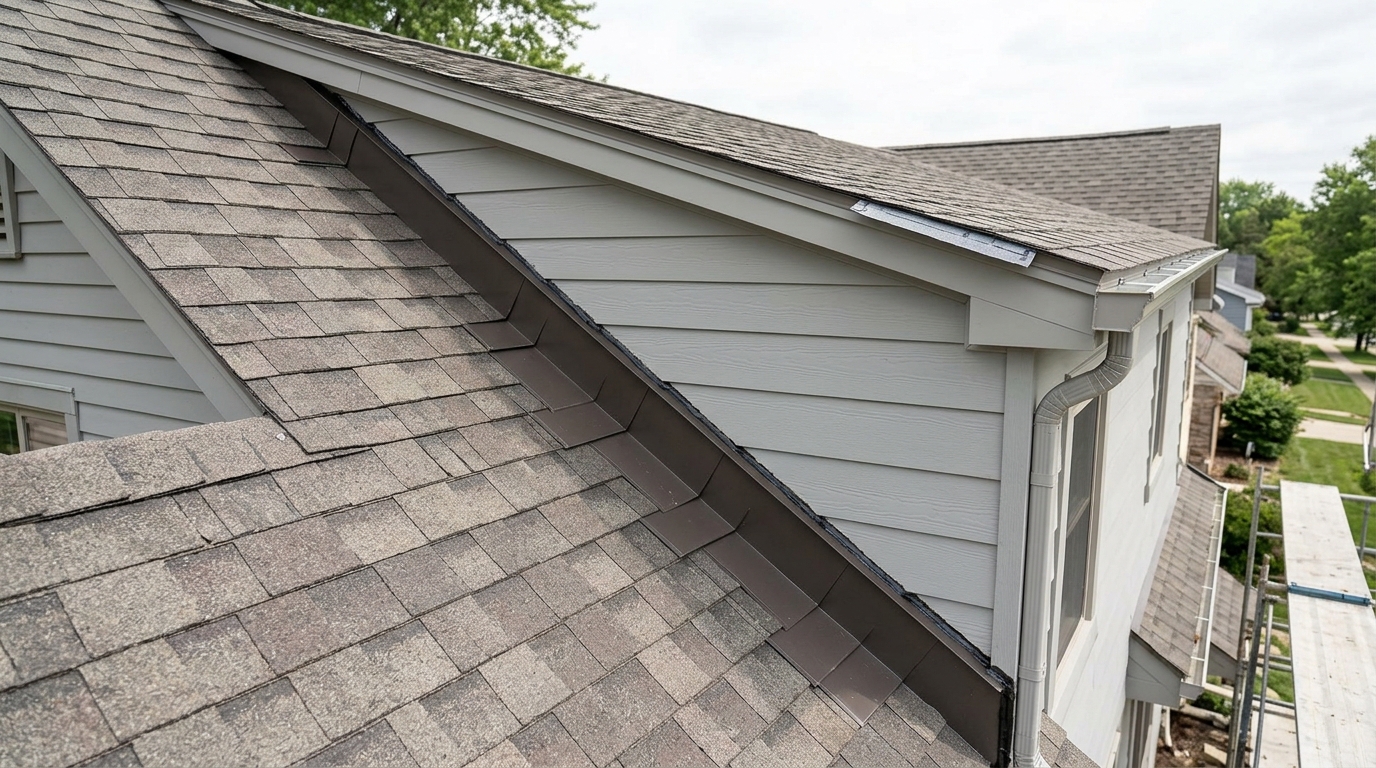
Roof integration is typically expensive work because it's visible from outside, requires careful waterproofing, and affects the home's exterior appearance. A well-integrated roof that looks natural and watertight is the goal. Poor roof integration creates visible transitions between new and existing that look awkward and create potential water damage problems.
Chicago-Specific Requirements
Chicago has specific requirements that differ from state-wide or national standards. Chicago Building Code is based on the International Building Code but includes Chicago-specific modifications. Understanding Chicago-specific requirements helps you anticipate what code officials will require for your addition.
Setback requirements in Chicago limit how much of your lot you can build on. Properties in certain zoning districts require side setbacks, rear setbacks, and building envelope restrictions. Before you plan a second-story addition, confirm whether zoning setback requirements affect your project. A second-story addition might be structurally feasible but zoning-restricted, requiring a variance or design modification.
Historic district requirements in Chicago further restrict what's permitted. If your home is in a historic district or if it's a designated landmark, Chicago Landmarks Commission approval is required before you can add a second story. Approval standards include architectural compatibility and aesthetic considerations, not just structural safety. Preserving historic character takes priority over efficiency in some cases. Historic district requirements add timeline and cost but are mandatory in affected areas.
When Structural Engineers Are Required
Chicago's building code requires a licensed structural engineer for second-story additions. This isn't optional. Building permits cannot be issued without a structural engineer's stamp on plans. The structural engineer's responsibility is to certify that the design meets code requirements and that proposed structure will safely carry loads.
Structural engineers' fees typically range from $2,000-4,000 for second-story addition structural design, though complex projects cost more. This investment is mandatory, not optional. The engineer's assessment protects you by confirming that structure will be safe and that design meets code requirements. It also protects the building inspector by ensuring that professional review precedes approval.
Soil Investigation and Geotechnical Engineering
For some second-story additions, particularly on homes with questionable soil conditions or existing settlement issues, geotechnical engineering (soil investigation) might be required. A geotechnical engineer evaluates soil conditions to confirm bearing capacity and determine whether existing foundations are adequate or whether reinforcement is needed.
Soil investigation typically costs $1,500-3,000 and might reveal that your soil conditions are excellent or that they're problematic. Clay soils, fill materials, or previously disturbed soil might have inadequate bearing capacity. If soil investigation reveals problems, foundation reinforcement becomes necessary. In Chicago's variable soil conditions, soil investigation often provides information worth the cost because it prevents expensive surprises mid-construction.
Structural Code Compliance and Inspections
Chicago's building code requires that second-story additions comply with current code standards for structural design, fire safety, electrical, plumbing, and mechanical systems. Compliance is mandatory and non-negotiable. If your addition doesn't meet code, building inspectors will require modifications before they'll approve it.
This compliance requirement sometimes creates cost surprises. Your existing home might not meet current code standards in areas like electrical or plumbing capacity, fire rating, or emergency egress (safe exit routes). Adding a second story might trigger requirements to upgrade existing systems or modify the home to meet current code. For example, if your home's staircase doesn't meet current code for width or handrails, adding a second story might require stair modification. These code-driven costs aren't obvious until you're planning the project.
Building inspections occur at multiple phases: foundation work inspection, framing inspection, rough-in inspection (electrical, plumbing, HVAC), and final inspection. Each inspection verifies code compliance. Failing an inspection requires correction before proceeding. Building process timelines account for inspection scheduling, but unexpected violations can cause significant delays.
Getting Professional Structural Guidance
Before committing to a second-story addition, hire a structural engineer to assess your home's existing structure and evaluate feasibility. This assessment costs $1,500-3,000 and provides essential information about whether a second story is structurally possible and whether reinforcement is needed. This investment helps you make informed decisions about whether second-story addition makes sense for your home and budget.
Discuss structural assessment results with your contractor and understand what they mean for your project cost and timeline. Some structural assessment findings are minor and don't significantly affect cost. Others reveal that substantial reinforcement is needed, which might change your decision about whether to proceed or might require significant budget increase.
Next Steps Before Planning Second-Story Addition
Before planning a second-story addition, hire a structural engineer to assess your home's existing structure and provide preliminary structural feasibility evaluation. This assessment clarifies whether a second story is structurally possible and identifies what reinforcement might be needed. Get a geotechnical engineer's soil investigation if soil conditions are uncertain. Understand Chicago's zoning requirements for your property and whether historic district restrictions apply. Discuss structural assessment findings with your contractor and understand cost implications.
Budget Construction works with qualified structural engineers and understands Chicago's building code requirements for second-story additions. We assess homes thoroughly before committing to projects and ensure that structural engineering and code compliance are managed properly. If you're considering a second-story addition and want guidance on structural requirements and whether your home can accommodate a second story, visit https://budgetconstructioncompany.com/ to schedule a consultation. We'll connect you with a structural engineer, explain Chicago's code requirements, and help you understand what's needed for your specific home.