
Chicago Flooring Contractor Checklist: 12 Questions to Ask Before Hiring for High-Traffic Floor Installation

The flooring material you choose matters less than who installs it. Here's how to vet flooring contractors in the Chicago area before signing anything.
Chicago homeowners frequently spend thousands on quality flooring materials only to have poor installation undermine everything. You can buy premium porcelain tile or the best luxury vinyl plank available, but if the contractor doesn't prep the substrate correctly, doesn't install with proper technique, and doesn't handle warranty issues professionally, your investment fails. The difference between excellent flooring that lasts 20+ years and flooring that disappoints within a few years often comes down to the contractor you hire, not the material you selected. This checklist covers twelve essential questions that separate qualified flooring contractors from those who will leave you with problems down the road. Before you hire anyone for your Chicago flooring project, run through this list to ensure you're hiring someone who actually knows what they're doing.
Questions About Licensing and Legal Standing
Question 1: Are You Licensed in Illinois and Your Specific Municipality?
Illinois requires flooring contractors to hold appropriate licensing for construction work. Ask for proof of current Illinois contractor license or home improvement contractor license. Different Chicago suburbs have different licensing requirements—Evanston, Oak Park, and Skokie all have their own standards. A legitimate contractor has these licenses and keeps them current. Red flags include contractors who claim licensing is optional or who can't provide proof immediately. If a contractor operating in Chicago or suburbs doesn't have appropriate licensing, don't hire them. They're cutting corners on the requirements that protect you.
Question 2: Do You Have Current Insurance (Liability and Workers' Compensation)?
Legitimate contractors carry liability insurance to protect your home if damage occurs during installation, plus workers' compensation insurance for employees. Ask to see current certificates of insurance covering the dates your project will run. If a contractor gets injured on your property and doesn't have workers' comp, you could face legal liability. If they damage your home during installation and don't have liability insurance, you're stuck paying for repairs. This isn't negotiable—any contractor who resists providing proof of insurance is a major red flag. Never work with uninsured contractors.
Question 3: Are You Bonded?
Some Chicago municipalities require contractors to post bonds as protection against financial loss if the contractor fails to complete work or pay suppliers and subcontractors. Ask whether your contractor carries a performance bond and payment bond. If these are required in your area, a contractor without them isn't meeting municipal requirements. In Oak Park and other historic district municipalities especially, bonding requirements can be strict. Confirm this requirement with your city before signing and ensure your contractor complies.
Questions About Experience and Expertise
Question 4: How Many Years of Flooring Installation Experience Do You Have, Specifically in Chicago?
Generic flooring experience matters less than Chicago-specific experience. A contractor who's done five years of flooring exclusively in Denver or Phoenix hasn't dealt with Chicago's freeze-thaw cycles, moisture problems, or the unique structural challenges of older Chicago homes. Ask for contractors with at least five to ten years of flooring experience specifically in Chicago and suburbs. Equally important—ask how many Chicago projects they've completed. If a contractor claims to do flooring but has only done a handful of installations, they're probably not a true specialist. Specialized contractors focus on flooring and develop deep expertise. Generalists who do flooring occasionally as one of many services typically lack that depth.
Question 5: What Flooring Materials Do You Specialize In?
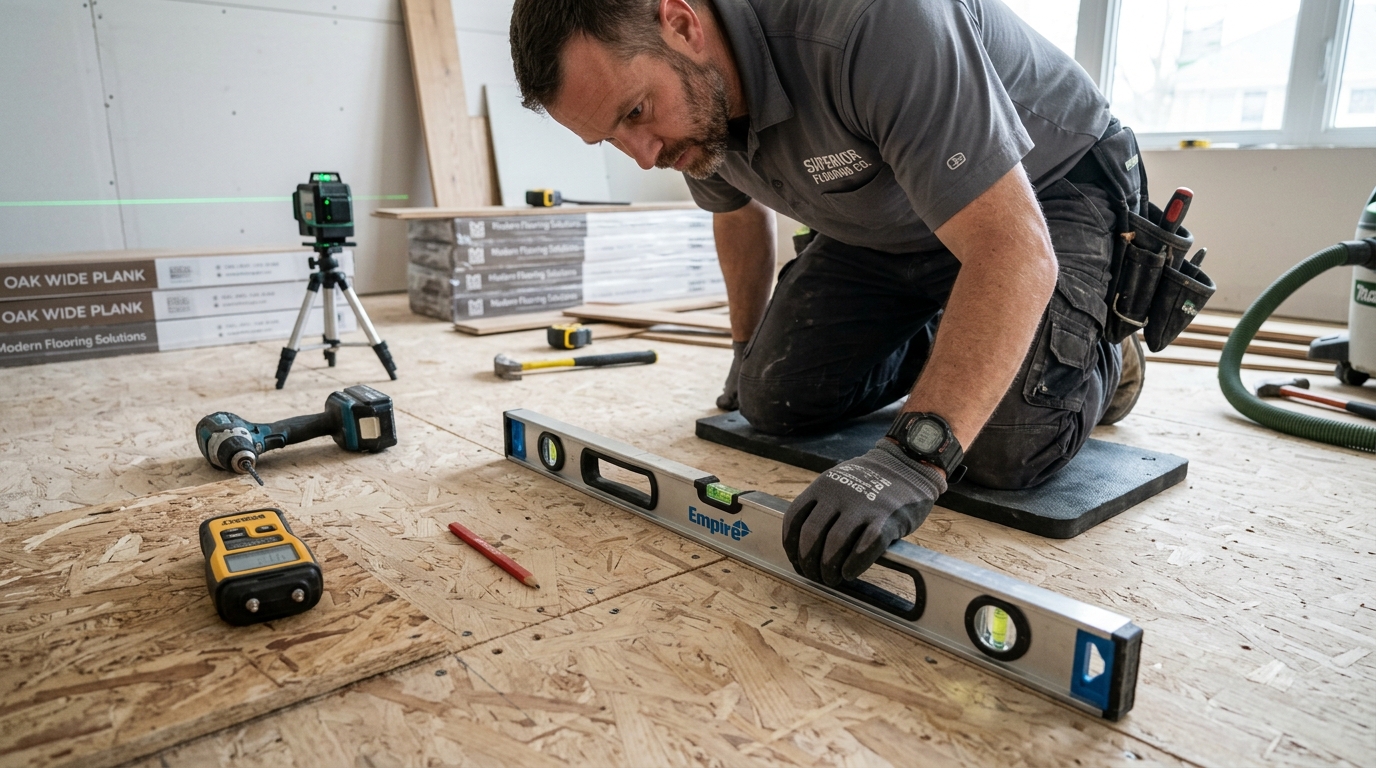
Some contractors specialize in specific materials. One might specialize in porcelain tile, another in hardwood installation. Ask what materials your contractor focuses on and has the most experience with. If you want porcelain tile and the contractor mostly does vinyl, they might not have the expertise for complex tile installations. If you're considering hardwood and the contractor specializes in tile, you're not getting specialized knowledge for hardwood considerations. Asking this question ensures you're hiring someone with actual depth in your specific material choice rather than someone claiming to install everything equally well.
Question 6: Can You Provide References from Recent Chicago Projects?
Ask for at least three references from projects completed within the past two years in Chicago. Contact these references directly and ask specific questions: Was the contractor punctual? Did they clean up properly? Did they respect the homeowner's space during installation? Did any problems arise after completion and how did the contractor handle them? Do they stand behind their warranty? References are far more valuable than reviews online because you're talking directly to people who've experienced the contractor's actual work. If a contractor resists providing references or only provides references from years ago, that's a red flag.
Questions About Project Approach and Substrate Preparation
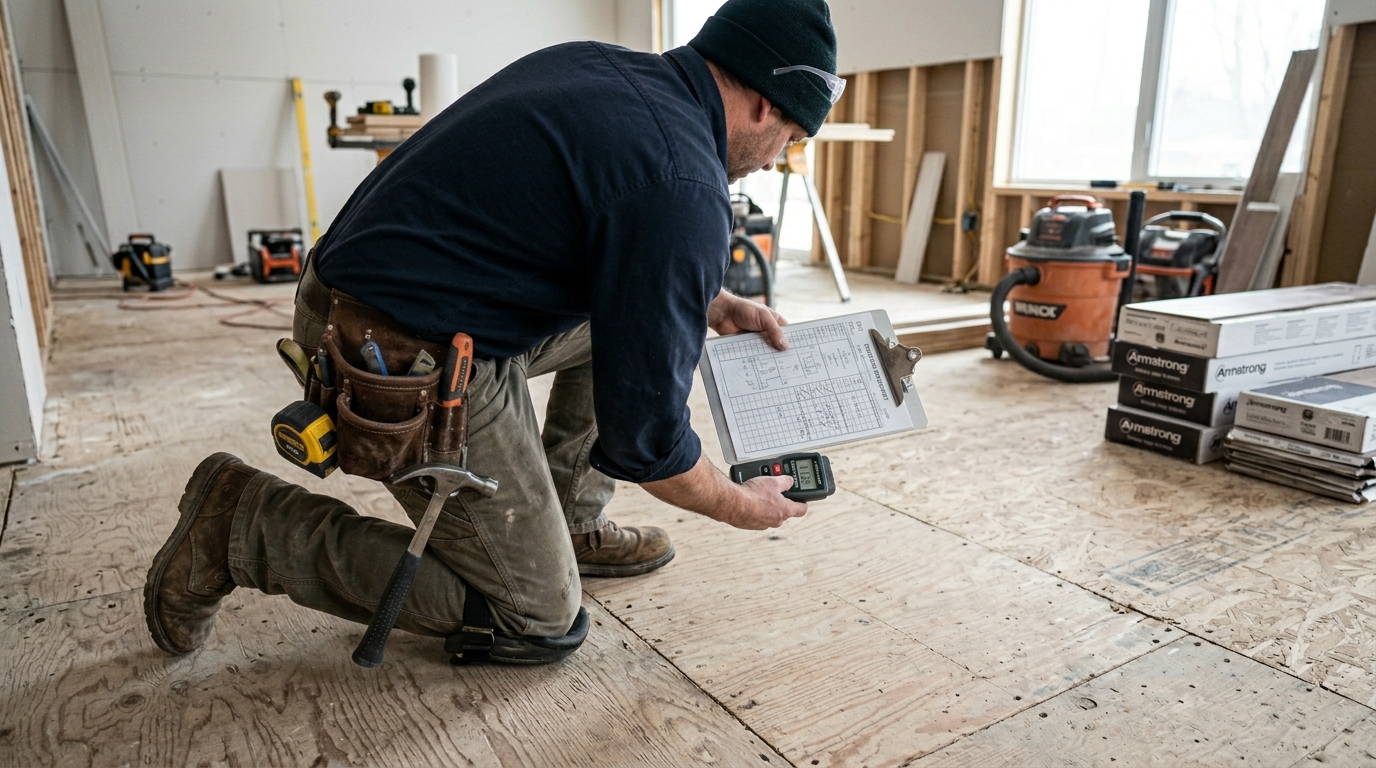
Question 7: How Will You Assess and Prepare the Subfloor?
Substrate preparation is where poor installations often originate. Ask the contractor to describe their process: Do they inspect for soft spots, moisture problems, or uneven areas? Do they use leveling compound or other preparation methods? Do they replace damaged subfloors? Do they handle moisture issues? A detailed answer demonstrates expertise. A vague answer suggests they're not thinking critically about preparation. The most common reason flooring fails prematurely is inadequate substrate prep, so a contractor who takes this seriously is worth their higher price. In Chicago's older homes especially, proper substrate assessment is essential.
Question 8: How Will You Handle Moisture Issues in My Home?
Chicago's moisture environment is unique. Ask how the contractor approaches moisture in basements, kitchens, and bathrooms. Do they test for moisture before installation? Do they recommend moisture barriers? Have they dealt with damp basements in older Chicago homes? A contractor who hasn't thought about moisture preparation is a problem. They should have specific approaches and recommendations based on your home's age and condition.
Questions About Timeline and Disruption
Question 9: What's Your Timeline for the Project, and Can You Provide a Written Schedule?
Ask for a realistic timeline with a written schedule showing start date, expected completion, and any milestones in between. Be suspicious of contractors who promise unusually fast timelines—rushing installation creates problems. Quality work takes the proper time. A contractor should explain why their timeline is realistic (material lead times, substrate prep, cure times) rather than just giving you a number. Get the timeline in writing as part of the contract so you both understand expectations.
Question 10: How Will You Manage Disruption During Installation?
Ask about cleanup, noise expectations, parking needs if they bring equipment, and how they'll manage access to other parts of your home. A professional contractor plans these details and communicates them. They should explain dust management (especially important if you have pets or respiratory sensitivities), daily cleanup procedures, and how they'll minimize disruption to your life. Contractors who haven't thought about these details probably haven't thought through the entire project thoroughly.
Questions About Warranty and Follow-up
Question 11: What Warranty Do You Provide on Labor, and How Long?
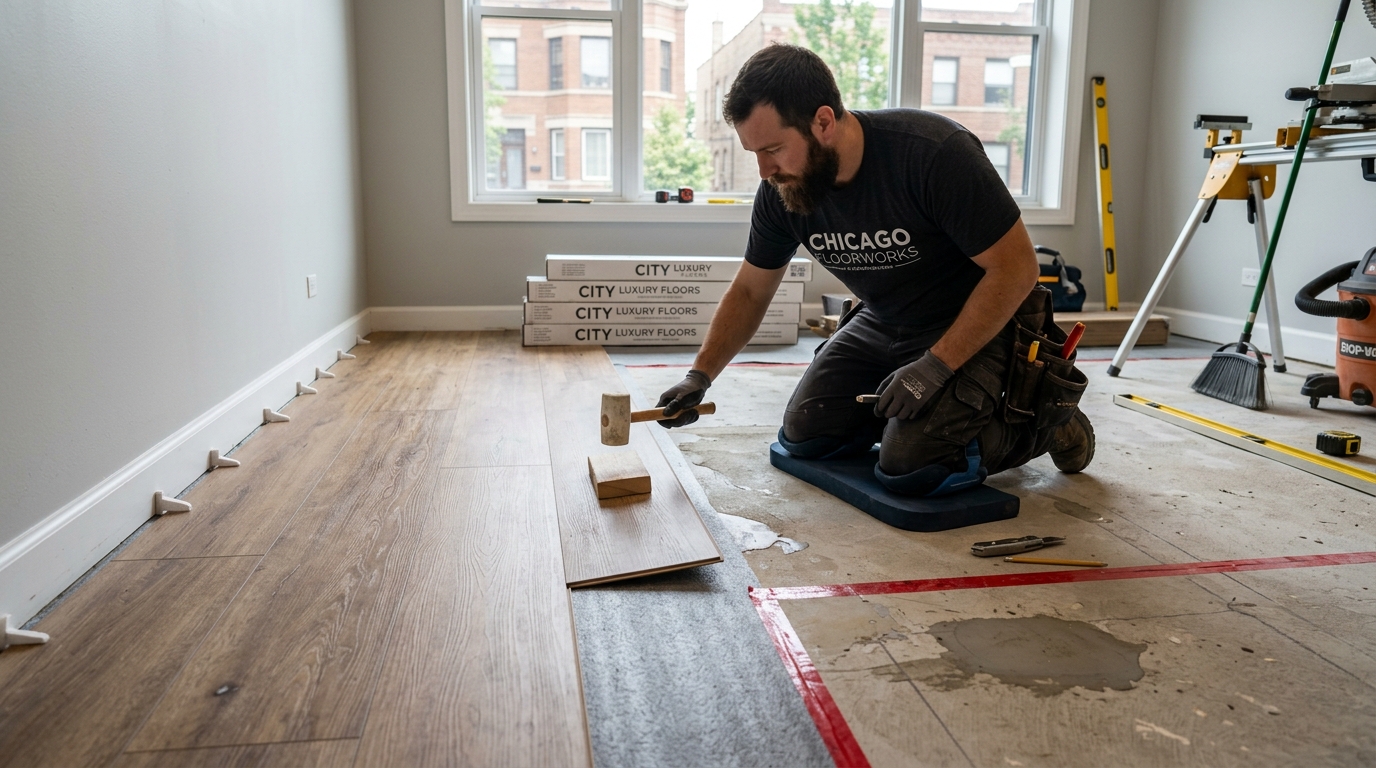
Material warranties come from manufacturers, but labor warranties come from your contractor. A reputable contractor stands behind their work with a labor warranty—typically one year is standard, though some offer longer. Ask exactly what the warranty covers. Does it cover installation defects only, or other issues? What's the process if problems arise? A contractor confident in their work should have no problem offering and explaining a clear warranty. Contractors who dodge the warranty question or offer no warranty are sending a red flag.
Question 12: How Do You Handle Issues That Come Up After Installation?
Ask how the contractor handles post-installation problems: Do they respond to calls promptly? Will they come back to address issues? How do they determine whether a problem is covered under warranty versus being a homeowner maintenance issue? A professional contractor should explain their post-installation service and responsiveness clearly. They should acknowledge that issues sometimes arise and demonstrate willingness to address them professionally. Contractors who take no responsibility for post-installation issues are a problem—eventually something will come up, and you want a contractor who takes that seriously.
Red Flags in Contractor Behavior
Beyond specific questions, watch for these behavioral red flags that suggest you shouldn't hire a contractor. Contractors who pressure you to decide immediately without letting you think things through are pushing for commitment before you can assess properly. Contractors who require large upfront payments (more than 30-50% is typical) are taking financial risk from you before they've done any work. Contractors who can't explain their processes clearly or who get defensive when asked detailed questions lack confidence in their expertise. Contractors who advertise unusually low pricing compared to competitors are typically cutting corners somewhere—either on expertise, materials, preparation, or warranty. Contractors who operate from a vehicle and don't have a business address or phone number are operating informally and lack the accountability structure that formal businesses have.
Making Your Final Decision
After asking all these questions and checking references, trust your gut about the contractor. Do you feel confident they understand your specific project? Do they communicate clearly? Do they seem genuinely interested in quality work rather than just getting paid? These subjective judgments matter. The cheapest quote isn't always the best value—a slightly higher quote from a contractor who clearly knows what they're doing will deliver better results than rock-bottom pricing from someone cutting corners.
Get written quotes from at least three contractors covering the same scope and materials. Compare them carefully. The lowest quote that's significantly cheaper than others warrants scrutiny—ask why. The highest quote might reflect a contractor's premium for expertise and quality—ask what justifies the higher price. The middle quote that's consistent with others probably represents realistic market pricing.
Protecting Yourself Contractually
Once you've chosen your contractor, ensure everything is in writing. Your contract should specify materials, timeline, payment schedule, warranty terms, cleanup responsibilities, and the process for addressing issues. Have the contractor walk through the contract with you so you understand every section. Don't sign anything you don't fully understand. A good contractor expects this level of scrutiny and welcomes it. A contractor who wants you to sign without understanding what you're signing should make you suspicious.
Budget Construction's Contractor Standards
Budget Construction employs all of these practices because we understand that installation quality determines whether your flooring investment serves you well for decades or disappoints within a few years. We're licensed, insured, bonded, and have deep Chicago-specific flooring expertise. We provide detailed substrate assessments, professional installation following manufacturer specifications, and comprehensive labor warranties. We stand behind our work because our reputation depends on it. If you're planning a flooring project in Chicago and want a contractor who meets all these standards and takes full responsibility for quality work, visit https://budgetconstructioncompany.com/ to learn more or schedule a consultation. We're happy to answer any of these questions thoroughly and show you why contractor selection matters as much as material selection when it comes to flooring success.