
Chicago Neighborhood Siding Guide Best Materials for Your Area's Climate and Style

Your address matters when choosing siding. The materials that work best in Lincoln Park's prestigious lakefront neighborhoods differ from those that work in Rogers Park's Craftsman-heavy blocks or in Oak Park's Frank Lloyd Wright-influenced architecture. Chicago's lakefront neighborhoods face different weather challenges than western suburbs. Historic districts have preservation guidelines that limit material choices. Individual neighborhoods have distinct architectural personalities that affect which siding choices enhance or diminish your home's value and appeal. A material that looks perfect in one Chicago neighborhood might clash in another just miles away. Understanding your specific neighborhood's climate conditions, architectural expectations, and design standards helps you choose siding that enhances your property while respecting community character.
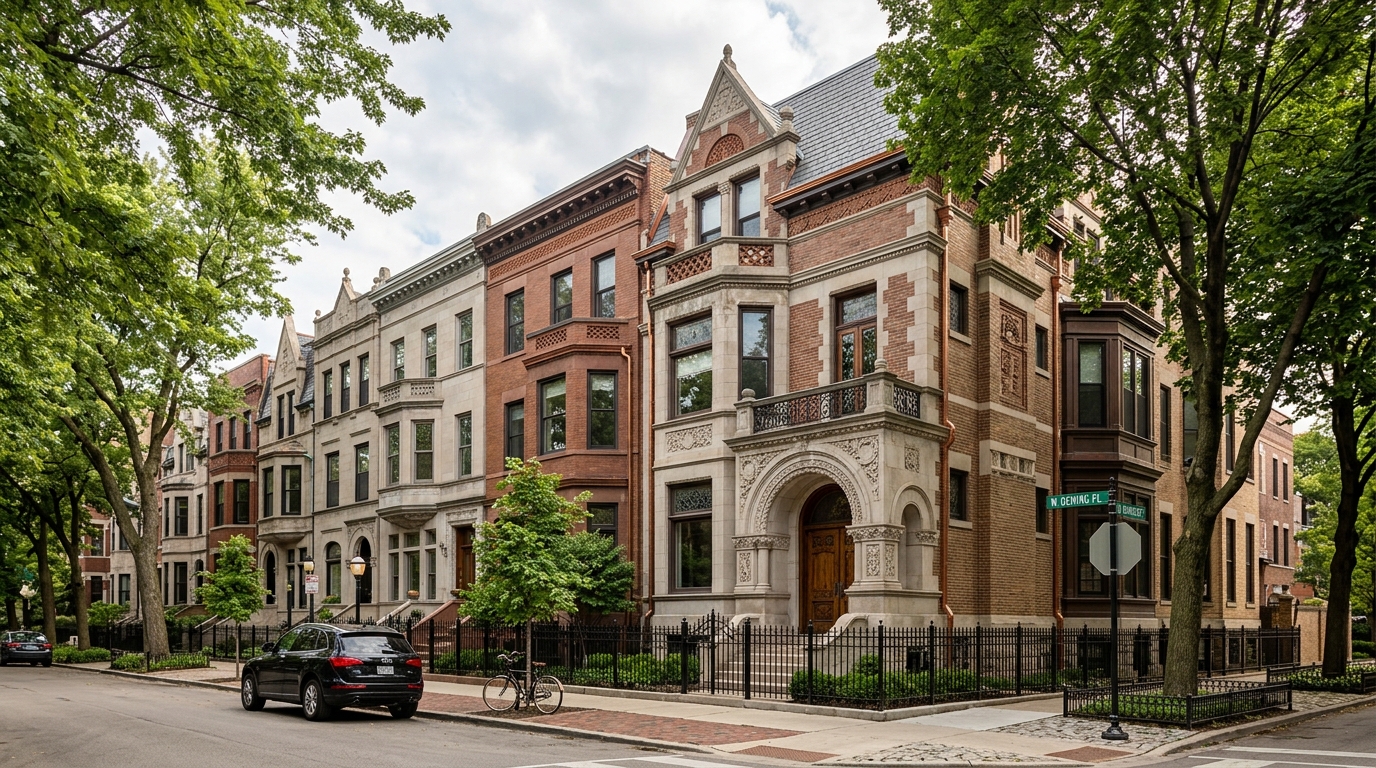
Lakefront Neighborhoods: Evanston, Wilmette, Rogers Park, Lakeview
Chicago's lakefront neighborhoods—from Evanston and Wilmette north to Rogers Park, Edgewater, Uptown, Lakeview, and south along the lakefront—face lake-effect weather patterns that create unique challenges. Lake Michigan moderates winter temperatures slightly but increases humidity substantially and extends periods of damp conditions. These neighborhoods experience more moisture-related challenges than inland areas.
For these neighborhoods, fiber cement siding is excellent because of its moisture resistance and durability in high-humidity environments. Quality vinyl with cold-weather additives works but requires more maintenance than inland vinyl because of humidity exposure. Metal siding handles lake-effect weather beautifully and is increasingly popular in lakefront communities because it genuinely performs well in the moisture-heavy environment.
Brick or stone is excellent if your home originally featured it. Many lakefront homes are prestigious older properties—Victorians, greystones, brownstones—where original or appropriate stone/brick siding honors architectural character while handling lake-effect weather exceptionally well.
Avoid budget vinyl or materials that deteriorate in high-moisture environments. Lakefront properties merit quality materials because the climate is genuinely more challenging than inland areas.
Historic Neighborhoods: Lincoln Park, Lakeview, Oak Park, Rogers Park
Chicago's historic neighborhoods have architectural character that siding replacement should respect. Lincoln Park features greystones, townhomes, and Victorians. Lakeview has similar character. Oak Park is famous for Frank Lloyd Wright homes and Prairie School architecture. Rogers Park combines Victorians, greystones, and bungalows. Wicker Park, Pilsen, and other neighborhoods each have distinct architectural personalities.
These neighborhoods often have preservation board oversight. Material choices must satisfy preservation requirements. Stone replacement in greystones must match originals. Wood siding must be period-appropriate. Colors must complement historic character.
Fiber cement is excellent in historic neighborhoods because it can mimic original materials convincingly while performing well in Chicago's climate and satisfying preservation boards. Wood siding is appropriate if you commit to maintenance. Avoid vinyl or materials that obviously read as modern replacements.
Many historic neighborhoods have covenants or guidelines affecting siding choices. Research your specific neighborhood's requirements before committing to material selection.
Bungalow-Heavy Areas: Portage Park, Lincoln Square, Ravenswood, Bucktown
Chicago neighborhoods dominated by bungalows—Portage Park, Lincoln Square, Ravenswood, Bucktown, and others—have strong neighborhood character defined by bungalow architecture. These homes feature horizontal emphasis, Craftsman details, and simple but carefully proportioned design.
Siding choices should respect bungalow character. Fiber cement lap siding in warm tones complements bungalow character beautifully. Wood siding, if you maintain it, is authentically bungalow. Horizontal emphasis in siding design respects the homes' architectural character.
Avoid vertical board-and-batten, standing seam metal, or other vertical emphasis that contradicts bungalow horizontal design. These neighborhoods value architectural consistency, and siding choices that clash diminish property values.
Bungalow neighborhoods are often less strictly preserved than historic districts, but community expectations about maintaining neighborhood character are strong. Choosing appropriate siding contributes to neighborhood cohesion and value.
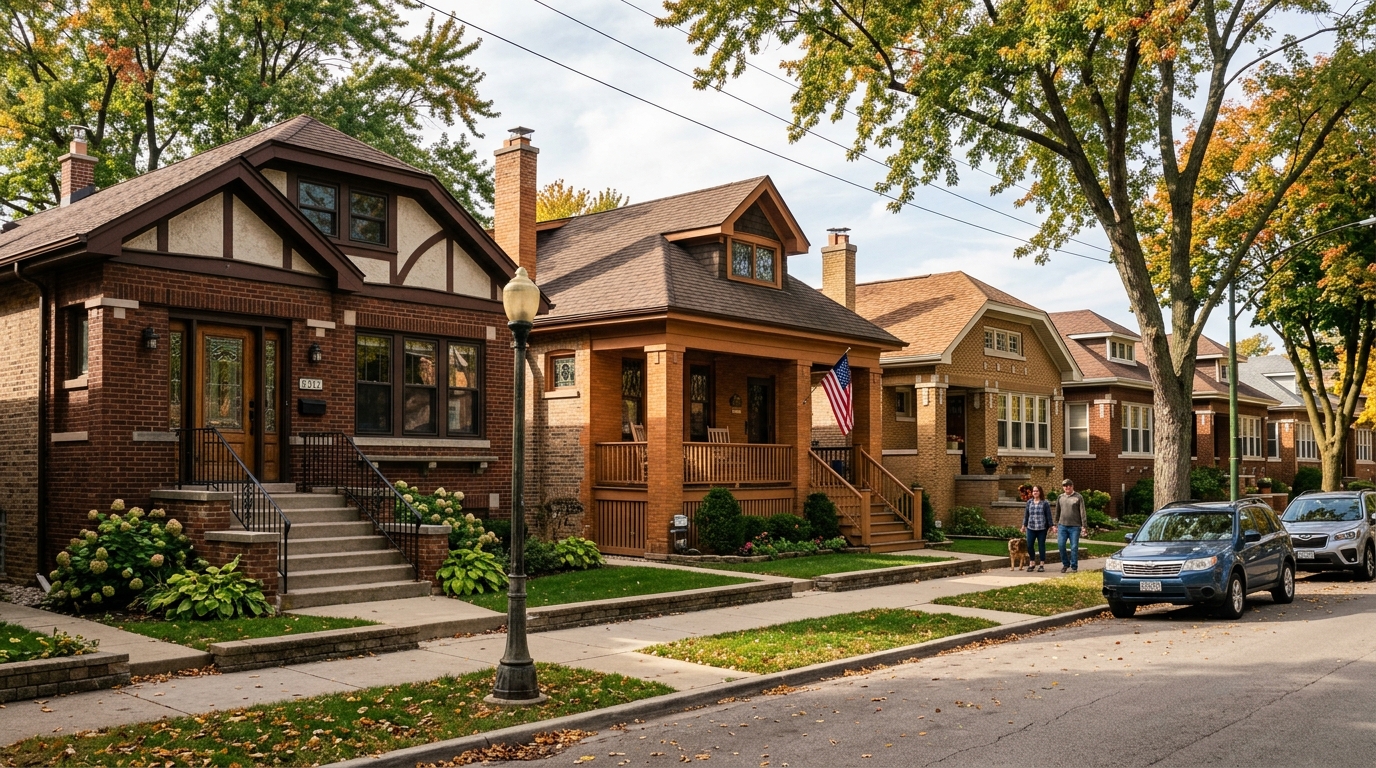
Western and Southwest Chicago: Diverse Architecture
Western and southwest Chicago neighborhoods—including Pilsen, Logan Square, Humboldt Park, Garfield Park areas, and south-side neighborhoods—feature diverse architecture from different eras. These neighborhoods are increasingly popular and experiencing renovation investment. Siding choices should respect existing architecture while being appropriate to your specific home's style.
Many homes in these neighborhoods feature brick or stone originally. Preserving original materials is preferable. If siding replacement is necessary, matching original materials or choosing quality fiber cement that respects architectural style is appropriate.
These neighborhoods are experiencing gentrification in some areas, with renovation investment bringing newer finishes alongside traditional character. Respecting your home's original architecture while making thoughtful updates is the balance that works well.
Suburbs: Evanston, Oak Park, Skokie, Wilmette
Chicago suburbs each have distinct characters and preservation considerations.
Evanston: Historic district with strong architectural guidelines. Victorian and greystone preservation common. Fiber cement or wood siding respecting period character is appropriate. Preservation board approval required for many changes.
Oak Park: Famous for Frank Lloyd Wright and Prairie School architecture. Strict preservation guidelines. Materials must respect Prairie School style—typically earth tones, horizontal emphasis, natural materials. Fiber cement or wood siding in appropriate colors works well.
Skokie: More suburban in character than Chicago proper. Diverse architectural styles. Fewer strict preservation guidelines, but neighborhood expectations for quality maintenance. Quality vinyl, fiber cement, or appropriate materials work depending on home style.
Wilmette: Affluent suburb with strong emphasis on architectural preservation. Many homes have preservation covenants. Research requirements before selecting materials. Fiber cement or natural materials typically preferred over vinyl.
Forest Preserve suburbs (Riverside, Brookfield, Oak Brook): Suburban character with emphasis on property value and curb appeal. Less strict preservation, but strong neighborhood standards. Quality materials and appropriate siding choices expected.
Each suburb has distinct character. Understanding your suburb's expectations and architectural heritage helps you choose siding that enhances property value and neighborhood appearance.
South Shore, Hyde Park, Kenwood
These neighborhoods feature distinctive architecture—historic mansions, comfortable Victorian estates, University of Chicago-adjacent properties. Strong architectural character and property value preservation are important.
For these neighborhoods, materials should reflect the homes' architectural significance. Many homes feature brick or stone originally—preserve these. For homes needing new siding, fiber cement or quality materials respecting period architecture are appropriate. Avoid budget materials that diminish neighborhood character.
These neighborhoods sometimes have preservation guidelines or HOA requirements. Research before committing to material choices.
Gentrifying Neighborhoods: Pilsen, Logan Square, West Loop
These neighborhoods feature Victorian architecture, older industrial conversions, and increasingly diverse renovation approaches. Strong character preservation is less regulated than in formal historic districts, but community expectations about respectful renovation are emerging.
For homes in these neighborhoods, respecting original architecture while making thoughtful updates works well. If your home originally featured brick or stone, preservation is ideal. For siding-needing homes, fiber cement respecting period character or quality materials that don't obviously clash works well.
These neighborhoods benefit from thoughtful renovation that respects heritage while enabling modern livability. Choosing siding that honors original character contributes positively to neighborhood evolution.
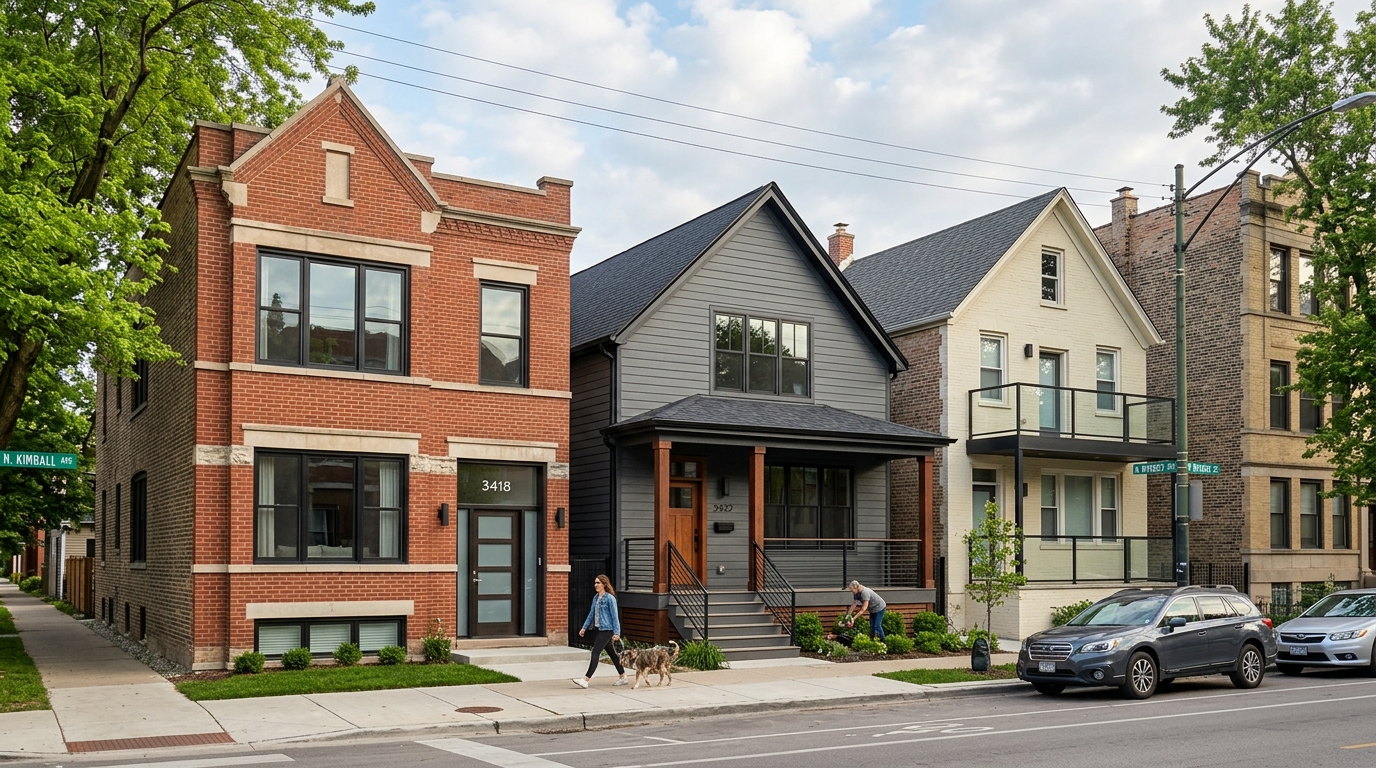
Lakeshore Drive, Gold Coast, Prestigious Areas
Chicago's most expensive neighborhoods—around Lakeshore Drive, Gold Coast, prestigious areas—have high expectations for property maintenance and curb appeal. Siding choices significantly affect property values in these areas.
Quality materials are essential—fiber cement, wood, brick, stone. Budget vinyl is never appropriate. Materials must be in excellent condition and complement architectural style. Professional installation and maintenance are expected.
These neighborhoods sometimes have preservation guidelines or specific expectations about appropriate materials. Research your area's requirements and standards before selecting siding.
Climate Considerations Across Neighborhoods
Some general climate principles apply across Chicago:
- Lakefront areas: Higher humidity demands moisture-resistant materials. Fiber cement, metal, or quality vinyl essential. Budget materials deteriorate faster.
- Western areas: More inland climate. Quality vinyl or fiber cement works well. Less moisture challenge than lakefront.
- Elevated areas (like parts of Lincoln Square, Ravenswood): Slightly better drainage and wind exposure. All quality materials perform reasonably well.
- Low-lying areas: Higher flood/moisture risk. Fiber cement or materials resistant to water infiltration preferable.
Understanding your specific neighborhood's microclimates helps you select materials suited to your actual conditions.
Making Your Neighborhood-Appropriate Choice
Research your neighborhood's character and expectations. Drive around and observe what materials other homes feature. Notice neighborhoods where houses cluster with consistent siding choices versus areas with more varied approaches.
Check if your neighborhood has preservation guidelines or HOA requirements affecting siding. If you're unsure, contact your alderman's office or HOA.
Consider your home's specific architectural style. Choose materials that complement your home's era and design while respecting neighborhood expectations.
Talk with contractors familiar with your specific neighborhood. They understand local climate challenges, preservation guidelines, and what material choices work best in your area.
Protecting Your Investment
Choosing siding appropriate to your neighborhood protects your property value and contributes to neighborhood character. A thoughtful siding choice enhances your property and encourages neighbors to make similarly thoughtful decisions. Conversely, inappropriate siding choices that clash with neighborhood character can diminish value.
Your siding choice reflects your respect for your home's heritage and your community. Making choices that honor both protects your investment while contributing positively to neighborhood character.
Getting Professional Guidance
If you're uncertain about what siding materials are appropriate for your specific Chicago neighborhood, Budget Construction Company can provide guidance specific to your area. We've completed siding replacement throughout Chicago's neighborhoods and suburbs, understanding each area's unique character, climate, and expectations. Contact us for a consultation to discuss your siding replacement and get neighborhood-specific recommendations for materials and styles that will work best in your area.