
7 Questions to Ask Your Chicago Siding Contractor Before Signing

The right contractor makes all the difference in how your siding performs over Chicago winters. A poor installation—improper sealing, inadequate flashing, improper fastening—means your beautiful siding will fail prematurely despite being excellent material. Conversely, quality installation of modest material often outlasts poor installation of premium material. Knowing which questions to ask potential contractors helps you separate experienced professionals from those who might cut corners or lack expertise specific to Chicago's harsh climate. These seven questions get to the heart of contractor competence, experience with Chicago conditions, warranty coverage, and installation quality standards.
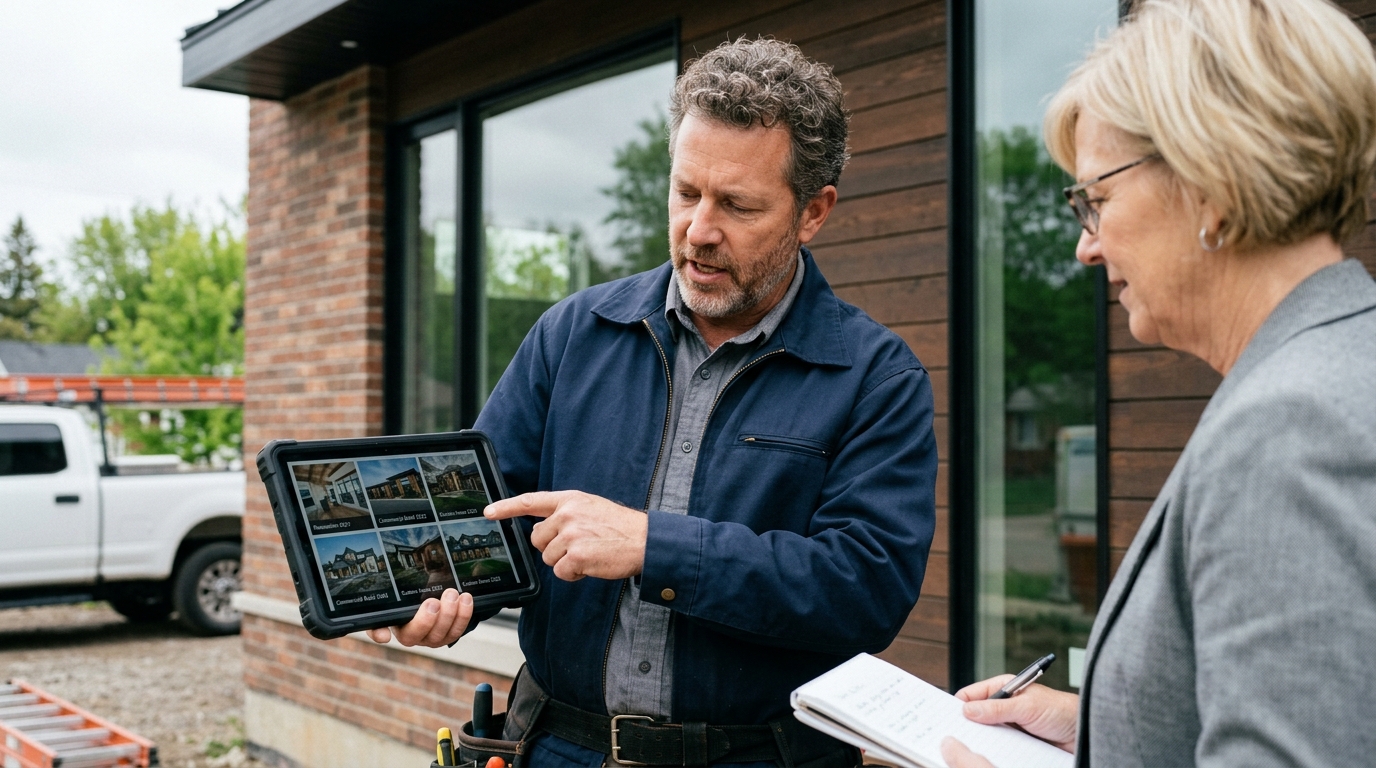
Question 1: How Long Have You Been Installing Siding in Chicago?
Experience matters enormously in siding installation. Contractors who've been installing siding in Chicago for a decade or more understand our climate challenges—freeze-thaw cycles, lake-effect humidity, ice dams, temperature swings—and how to design installations that handle them.
A contractor's answer reveals their experience level. "We've been doing siding in Chicago for fifteen years and installed over three hundred homes" indicates substantial experience and familiarity with Chicago-specific challenges. "We've been in business five years" or vague answers raise questions about Chicago-specific expertise.
Ask for neighborhoods where they've done work. If they can name specific Chicago areas where they've completed projects, they have local experience. If they list mostly suburban or out-of-state projects, question whether they understand Chicago's specific conditions.
Follow up by asking for references from Chicago homes they've completed, ideally from at least three to five years ago. Call these references and ask specifically whether the siding has performed well, whether they've needed repairs, and whether they'd hire the same contractor again. References are your best window into actual contractor performance.
Question 2: What License and Insurance Do You Carry?
Illinois requires siding contractors to be properly licensed. A contractor should have:
- Illinois Home Improvement Contractor License: Required for home remodeling work over $1,000. Ask to see the license and verify it's current.
- General Liability Insurance: Protects you if the contractor damages your property or injures someone during work.
- Worker's Compensation Insurance: Required if they have employees. Protects you from liability if workers are injured.
Verify licenses directly with the Illinois Department of Financial and Professional Regulation. Verify insurance by calling their insurance company directly (not just accepting a certificate they provide).
Contractors without proper licensing and insurance are either ignorant of requirements or deliberately avoiding them—neither is acceptable. If they balk at providing license and insurance information, find a different contractor.
Question 3: How Do You Prepare the Substrate Before Installation?
Proper substrate preparation is critical to siding longevity. Poor preparation—inadequate cleaning, failure to replace damaged sheathing, insufficient removal of old caulk—leads to premature siding failure.
A quality contractor will explain their process:
- Inspection and assessment: Examining existing walls, identifying water damage, determining what needs replacement
- Removal of old siding: Proper demolition without damaging underlying structure
- Repair of damaged framing: Addressing water damage, rot, or structural issues
- Installation of weather barrier: Proper house wrap or moisture barrier
- Caulking and sealing: Adequate preparation of transitions, joints, and penetrations
Ask them to describe their specific process. If they're vague or minimize preparation, this is a red flag. Quality contractors invest time in preparation because they know it's critical to long-term performance.
Ask whether they include substrate repair in their estimate or whether that's additional. Some contractors quote only siding installation and charge extra for necessary repairs discovered during demo. Clarify this upfront to avoid mid-project cost surprises.
Question 4: What Warranty Do You Provide on Installation?
Material manufacturers provide product warranties, but contractor installation warranties are separate. Ask:
- How long is your installation warranty? (Quality contractors typically offer 5-10 years minimum)
- What does it cover? (Proper installation, leaks, material defects, workmanship issues)
- What's not covered? (Understand limitations—usually normal wear, improper maintenance, acts of nature)
- Is it transferable if you sell? (Can new owners benefit from remaining warranty?)
- How do you handle warranty claims? (Do they respond promptly? What's their process?)
Get the warranty in writing as part of your contract. A contractor unwilling to warrant their work for at least 5 years is signaling lack of confidence in their quality.
Ask about their track record with warranty claims. If they say they rarely have any, that's good. If they seem defensive about warranty questions, that's a concern. A quality contractor stands behind their work.
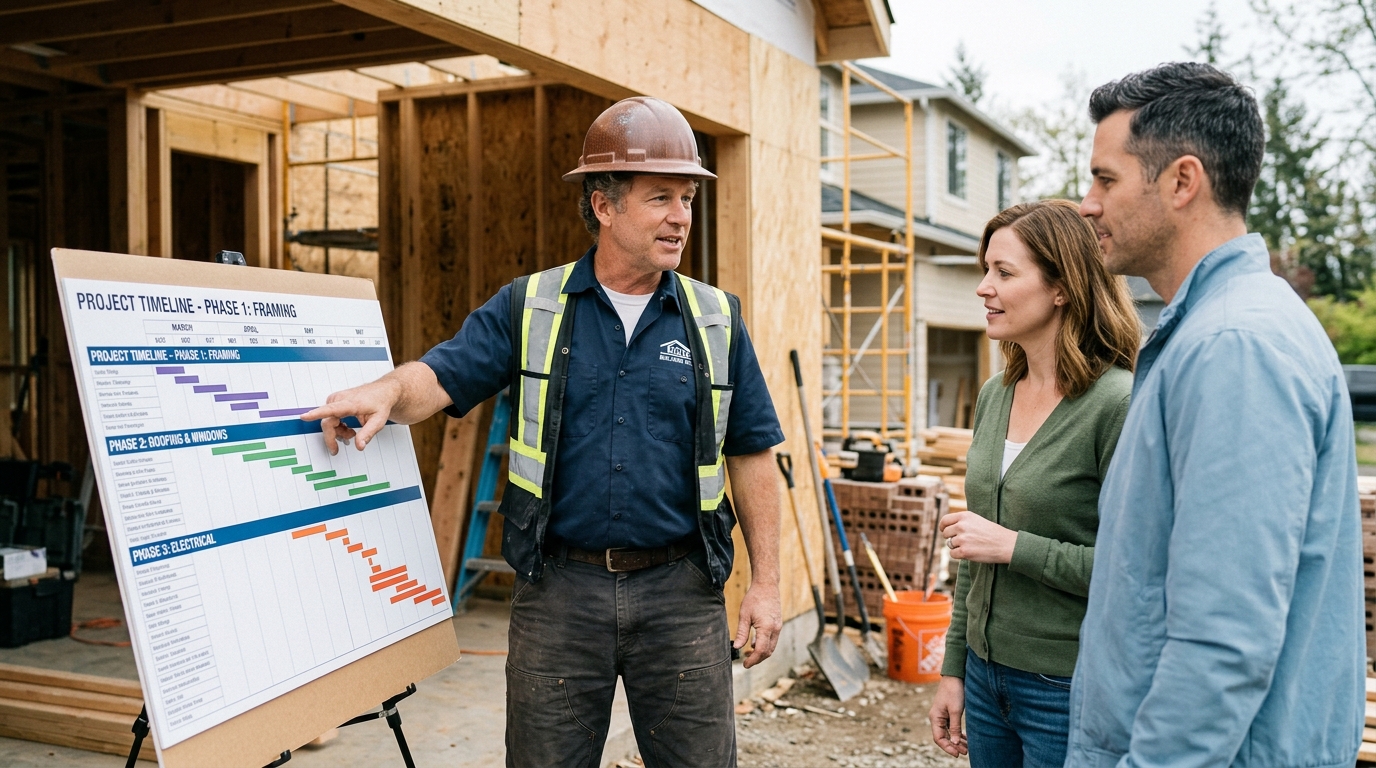
Question 5: How Will You Handle Weather and Seasonal Conditions?
Chicago's weather creates specific installation challenges. Ask how they manage:
- Winter installations: Can they install siding in freezing temperatures? Some caulks and sealants don't cure properly in cold. Some contractors won't work below certain temperatures.
- Rain during installation: How do they protect the home if rain is forecasted? Do they have tarping and weather protection procedures?
- Seasonal timing: Do they recommend certain seasons for installation? (Fall and spring are ideal; summer heat and winter cold create challenges)
- Timeline flexibility: If weather delays work, how is this handled? Are timelines adjusted? Do delays affect warranty?
A contractor familiar with Chicago knows that weather delays are inevitable. They should have systems for managing them. Contractors who promise inflexible timelines without accounting for weather are either inexperienced or unreliable.
Question 6: Can You Explain Your Flashing and Sealing Details?
Flashing—the metal or rubber components that direct water away from joints and penetrations—is critical to preventing water infiltration. Poor flashing is a common cause of siding failures.
Ask them to explain:
- Window and door flashing: How they detail windows and doors to prevent water infiltration
- Soffit and fascia transitions: How transitions are sealed and flashed
- Vertical transitions: How they handle joints between different siding heights
- Penetrations: How they detail utility lines, vents, or other wall penetrations
- Caulking strategy: Where they caulk, what products they use, and how they ensure proper application
A contractor should be able to explain these details in detail. If they're vague or seem unconcerned about flashing, that's a red flag. Poor flashing is a primary cause of water damage that develops months or years after installation.
Ask whether they follow manufacturer flashing recommendations. Reputable contractors use materials and methods specified by siding manufacturers for proper performance.
Question 7: What's Included in Your Contract and What Isn't?
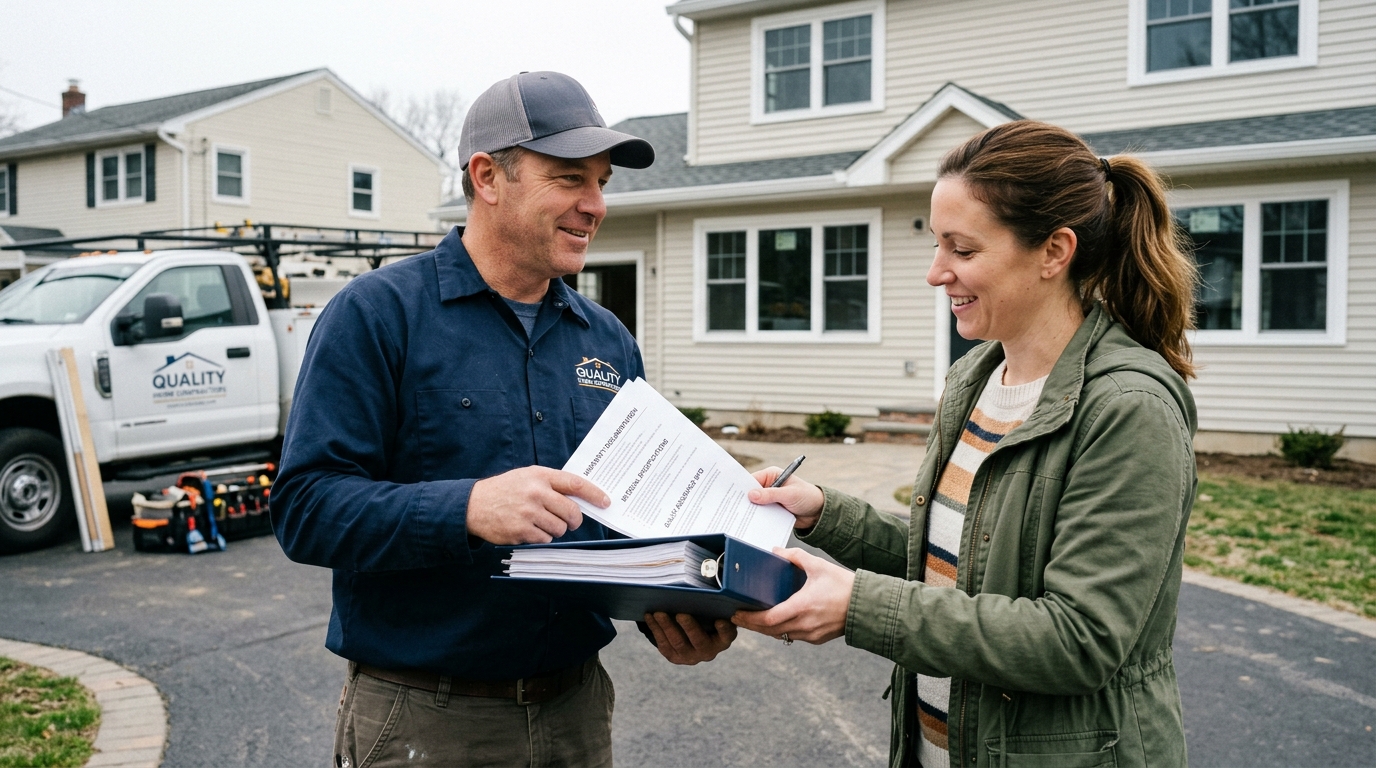
Clear contracts prevent mid-project surprises. Ask that your contract specify:
- Scope of work: Exactly what siding is being installed where
- Material specifications: Specific products, colors, grades being used
- Substrate work: Whether repairs are included or additional cost
- Timeline: Specific start date and expected completion date (with weather flexibility clause)
- Payment schedule: When payments are due (typically 25% to 40% down, balance upon completion)
- Warranty: As discussed above
- Cleanup and disposal: How debris removal and site cleanup are handled
- Change order process: How changes to scope are documented and priced
Avoid contractors who provide vague estimates or resist detailed contracts. Quality contractors welcome detailed contracts because they protect both parties.
Review the contract carefully. Don't sign until you understand every line. If anything is unclear, ask for clarification. Once signed, the contract is your agreement—changes later will be costly.
The Importance of Contractor Selection
These seven questions help you separate quality contractors from mediocre ones. A contractor comfortable answering them in detail and providing substantive responses is likely professional and experienced. A contractor who gets defensive, vague, or dismissive about these questions is signaling potential problems.
Take time selecting your contractor. Getting the contract right prevents costly problems later. The difference between a contractor who cuts corners and one who does quality work determines whether your siding lasts fifteen years or thirty years, whether you need repairs in five years or go ten years problem-free.
Making Your Final Decision
When you've interviewed multiple contractors and asked these questions, compare responses. The cheapest contractor is often the cheapest for a reason—they might skip steps, use lower-quality materials, or lack experience. The most expensive isn't automatically best either.
Look for contractors who:
- Have substantial Chicago experience
- Are properly licensed and insured
- Provide detailed explanations of their process
- Offer solid warranties and stand behind them
- Discuss weather challenges realistically
- Understand flashing and water management thoroughly
- Provide clear contracts with detailed specifications
These characteristics indicate professionalism and quality. Contractors exhibiting these traits will likely deliver good results. When you sign a contract, you're confident you're working with someone who will do quality work and handle problems professionally if they arise.
Protecting Your Investment
Your siding is a substantial investment—typically $20,000 to $50,000+ depending on material and home size. Taking time to select the right contractor protects this investment. A quality contractor delivers excellent results that perform well for decades. A poor contractor creates problems that cost money and frustration to remedy.
Ask these questions, get good references, verify licenses and insurance, and demand detailed contracts. The time invested in contractor selection is the best money you'll spend on your siding project.
If you're planning siding replacement and want to discuss what makes a quality contractor, what to expect in terms of timeline and warranty, and how to vet potential installers for your specific situation, Budget Construction Company can help. We're happy to explain our process, provide references, and help you understand what separates quality siding contractors from those cutting corners. Contact us for a consultation to discuss your siding project and learn about our approach to quality installation and customer service.