
Historic Chicago Bungalow and Greystone Remodeling Preserving Character While Adding Modern Comfort

Chicago's neighborhoods are defined by their iconic housing stock. A 1920s greystone in Lincoln Park with original limestone facade and ornate interior details. A 1920s bungalow in Portage Park with its characteristic front porch and distinctive architectural charm. A Victorian in Rogers Park with elaborate woodwork and period-specific design. These homes represent a century of architectural craftsmanship and neighborhood character. Yet they were designed for a different era—smaller rooms, fewer bathrooms, closed-off spaces, and systems that no longer meet modern expectations. The challenge in remodeling a historic Chicago home is creating a genuinely modern, functional living space while respecting the architectural character that makes these homes special. Chicago's historic homes come with restrictions and rewards. The restrictions are preservation requirements and design guidelines that limit how you can change them. The rewards are irreplaceable architectural character, established neighborhoods, and homes built with craftsmanship rarely available today.
Understanding Your Home's Historic Status and Restrictions
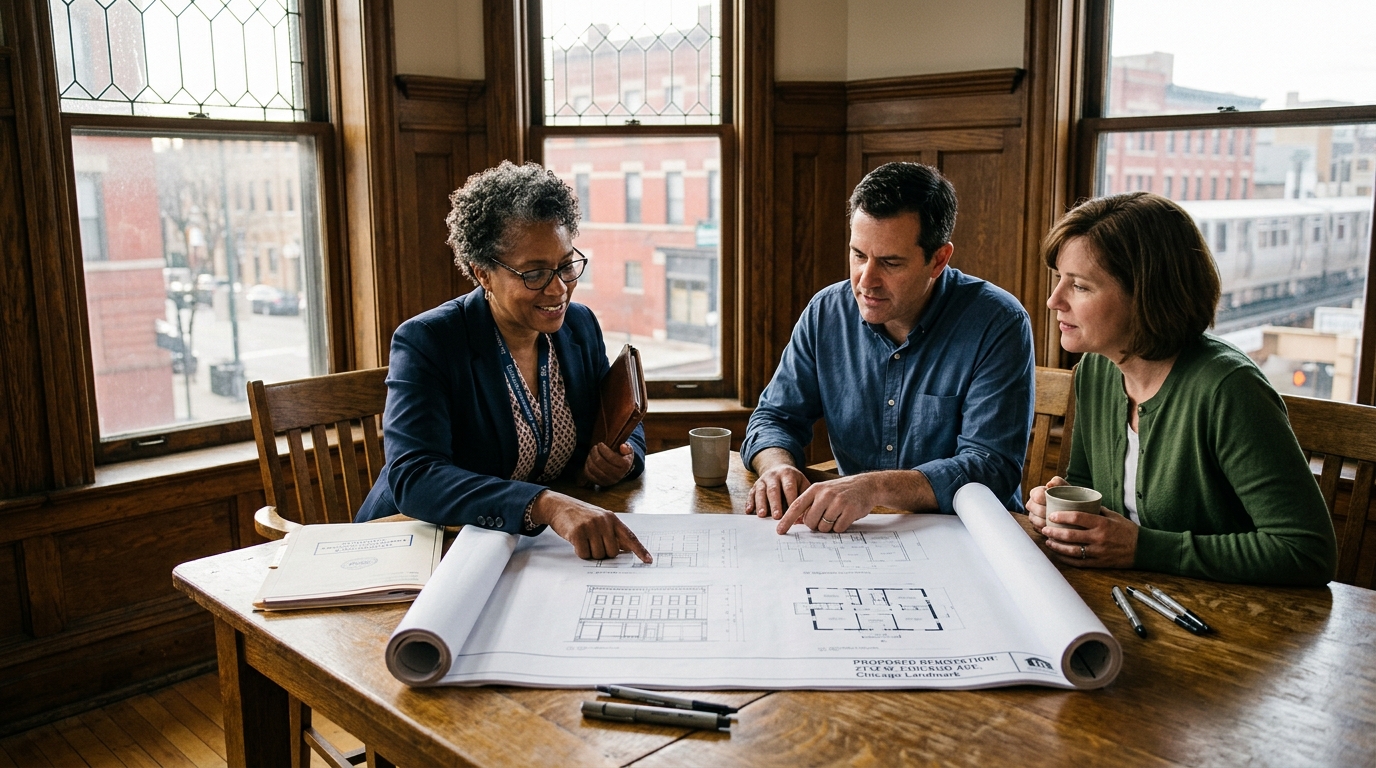
Before planning any remodeling for a historic Chicago home, understand what preservation requirements apply to your specific property. Individually designated landmarks have the most restrictions. If your home is on the Chicago Register of Historic Landmarks, virtually any visible change—exterior or sometimes even interior—requires Commission on Chicago Landmarks approval. Being a landmark is prestigious but comes with meaningful constraints on what you can do.
Historic district designation applies to homes within geographically designated districts like the Lincoln Park Historic District, Lakeview Historic District, or Oak Park Historic District. Even if your home isn't individually designated, district guidelines apply to your property. District review boards evaluate exterior work, sometimes interior work affecting the home's historic character, and always work visible from the public way. These requirements add timeline and cost to renovation projects but exist to preserve neighborhood character that benefits all properties.
Non-designated historic homes in non-historic districts have no formal preservation requirements. However, if your home is in a neighborhood with strong architectural character—like the tree-lined blocks of Lincoln Square or the vintage residential streets of Ravenswood—pursuing a preservation-minded renovation protects your investment and respects your neighborhood. Your neighborhood's character, built over decades, affects property values for everyone. Renovating respectfully maintains that.
The distinction matters because it determines what approvals you need and what design constraints you face. A bungalow in a historic district faces more restrictions than an identical bungalow two blocks away outside the district. Understanding your home's specific status informs your renovation planning and budget.
Balancing Modern Systems With Historic Character
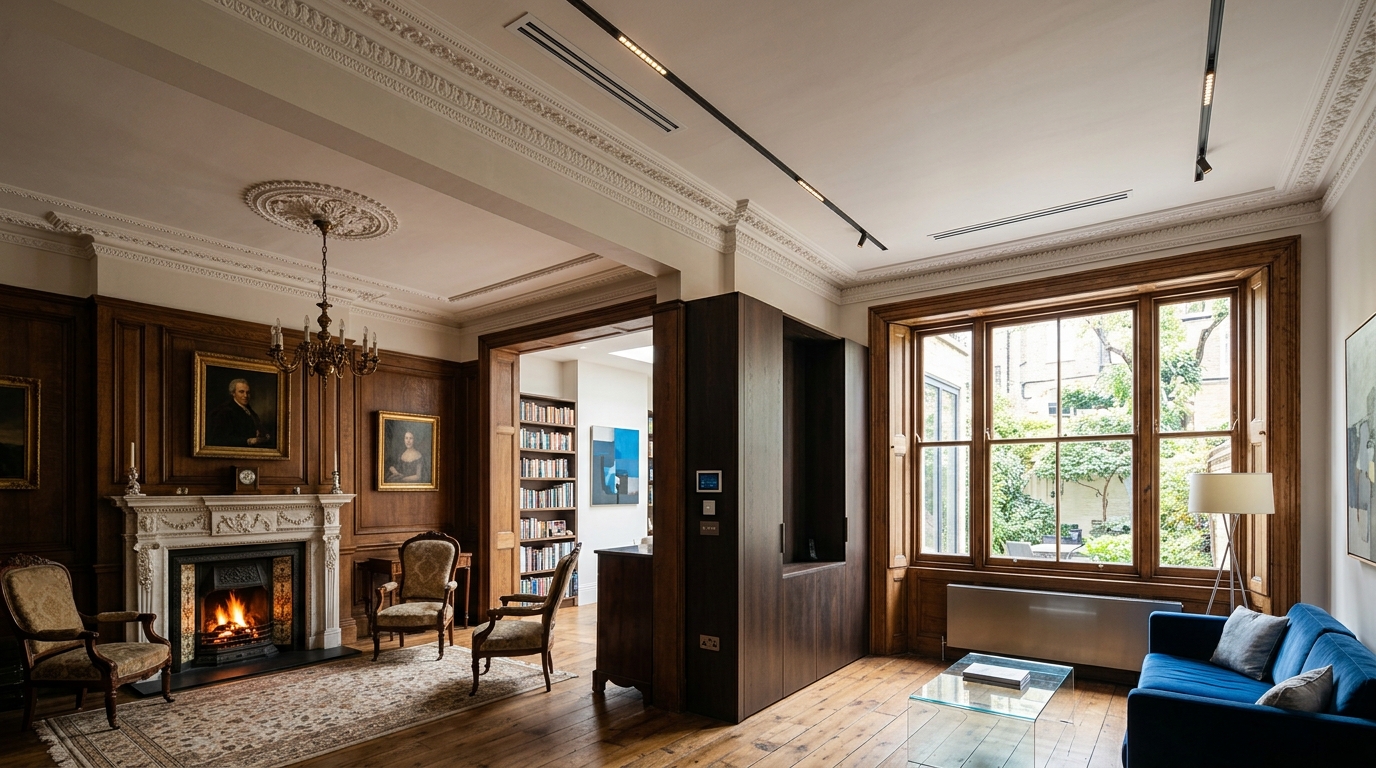
Historic homes present a fundamental tension: they need modern systems, but modern system installation can damage historic character. Original plaster walls with beautiful crown molding conflict with routing electrical and plumbing work. Original window openings don't accommodate modern double-hung windows without frame modifications. Original floor plans with closed-off rooms don't suit modern open-concept living. Heating systems, electrical systems, and plumbing designed a century ago no longer meet current needs or code requirements. Balancing system updates with character preservation requires thoughtful planning.
Strategic system placement helps minimize visible impact. Rerouting electrical and plumbing through basement areas rather than through finished historic spaces preserves wall integrity and original finishes. Installing new HVAC ductwork in basement ceilings rather than running ducts through attics minimizes disruption to original spaces. Planning system locations during the design phase, rather than discovering conflicts during renovation, prevents damage to irreplaceable original features.
Selective modernization works well in historic homes. Preserve character in public-facing spaces—living rooms, dining rooms, entryways—where original details create the home's distinctive appeal. Modernize secondary spaces and service areas where historical accuracy matters less. A bungalow with a beautifully preserved original living room and kitchen modernized for contemporary cooking and family life creates the best of both eras.
Floor plan modifications require careful thought. Removing a wall between formal dining room and living room to create open space is a common contemporary desire. Some historic homes can accommodate this if the wall is non-load-bearing. Others can't without creating structural issues. A structural engineer can assess whether desired modifications are feasible. Sometimes the answer is no—the wall is load-bearing and removing it would compromise the home's structure. Accepting these limitations preserves the home's integrity.
Kitchen and Bathroom Remodeling in Historic Homes
Kitchens and bathrooms are where modern comfort matters most, yet these are also spaces where historic homes often differ dramatically from contemporary expectations. Original kitchens were designed for single-cook, limited-appliance use. Remodeling for modern family cooking, multiple appliances, and entertaining requires significant spatial reconfiguration. Original bathrooms often featured single bathrooms serving entire households. Modern families expect multiple bathrooms with contemporary fixtures and layouts.
Kitchen remodeling in historic homes works well when new kitchens are contained within existing kitchen footprints rather than expanding into adjacent historic spaces. This approach maintains the home's original room divisions and prevents damage to original features in adjacent rooms. New kitchens with modern appliances, contemporary finishes, and efficient layouts work beautifully even within original spatial constraints. Opening the kitchen to an adjacent room—removing a wall between kitchen and dining room—works if that wall is non-load-bearing and if the architectural style supports open kitchen designs. Some historic homes, particularly greystones and newer bungalows, accommodate this well. Victorian homes with more formal separation between rooms sometimes lose character with open plans.
Bathroom remodeling follows similar principles. Modern bathrooms with contemporary fixtures, efficient layouts, and proper ventilation fit well within original bathroom spaces. You don't need to dramatically expand bathrooms to achieve modern functionality. If your home has only one bathroom and you need multiple, adding bathrooms in secondary bedrooms or basement areas preserves original spaces while meeting contemporary needs.
Material selection in kitchens and bathrooms should complement historic character. Quartz countertops work well in greystones and bungalows—they're contemporary but neutral enough not to clash with period architecture. Stainless steel appliances are contemporary but read as neutral in kitchens. Subway tile in bathrooms feels period-appropriate in early twentieth-century homes while being thoroughly modern. Choices don't have to be strictly period-accurate to work well; they should be compatible with the home's era and style.
Preserving Original Details and Materials
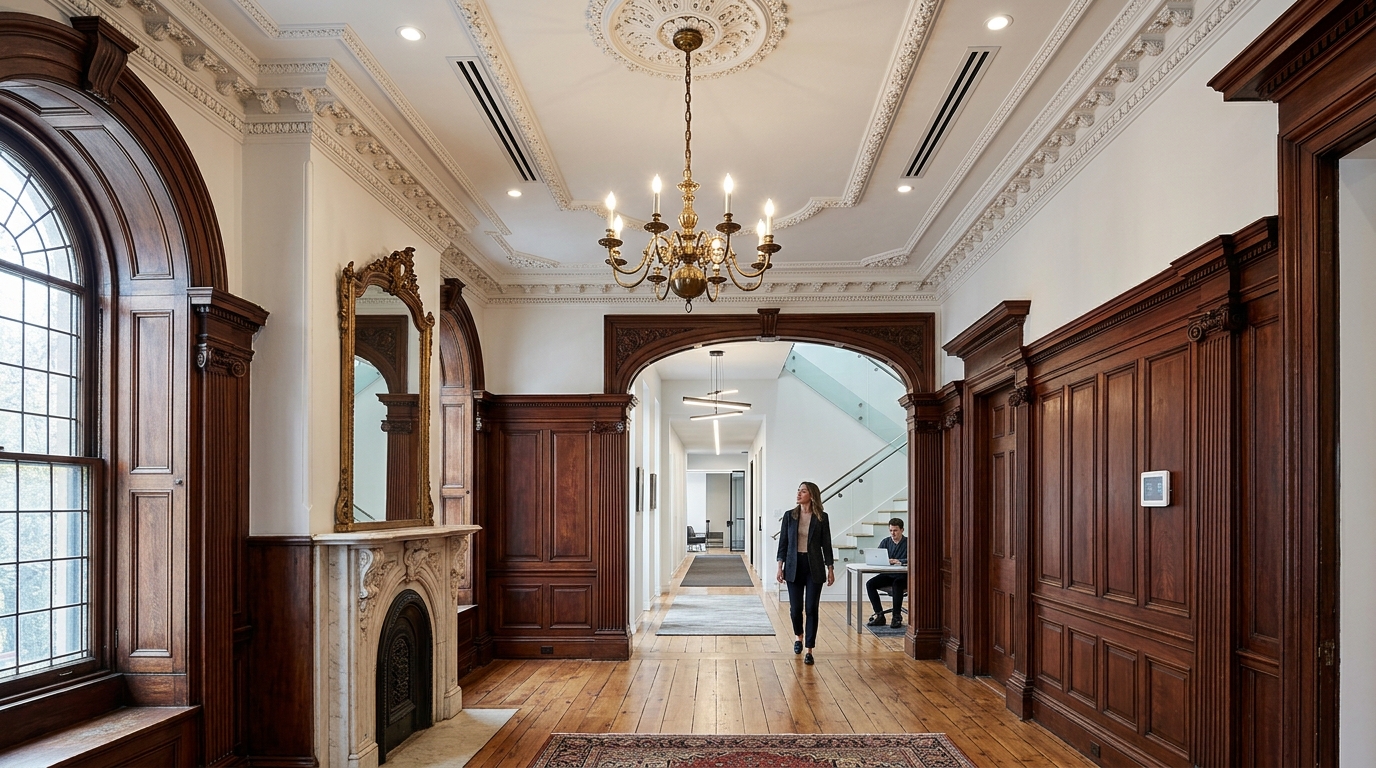
Original features—hardwood floors, plaster crown molding, ornate mantels, built-in cabinetry, stained glass windows, original hardware—should be preserved when possible. These are irreplaceable elements that define your home's character. Professional restoration of original details is more cost-effective than replacement, and restored originals are always preferable to reproductions.
Original hardwood floors should be preserved and refinished rather than covered or replaced. Professional floor refinishing restores beauty without losing the irreplaceable original. Original plaster walls and ceilings with decorative elements should be preserved even if you modernize adjacent spaces. Preserving original plaster in a dining room while updating the adjacent kitchen maintains character while achieving functionality.
Original woodwork, mantels, and built-in cabinetry should be restored and repurposed rather than removed. A beautiful original mantel is a focal point worth restoring. Original pantries or built-in cabinetry can be updated with contemporary hardware while maintaining the structure and presence. Removing these elements for cleaner, more contemporary lines eliminates irreplaceable character.
Original windows are worth preserving when possible. Storm windows installed on the exterior preserve original windows while improving energy efficiency and weather resistance. This approach maintains historic appearance from the street while achieving modern performance. Sometimes original windows are too damaged to restore, but restoration should be attempted before considering replacement. Finding reproduction windows that match original specifications is expensive and still doesn't replace the authentic original.
Addressing the Open-Concept Modern Desire
Many homeowners remodeling historic homes want open-concept layouts where kitchen, dining, and living areas flow together. This modern layout conflicts with the formal room divisions typical of historic homes. Preserving character sometimes means accepting the home's original spatial organization rather than forcing contemporary open-concept design onto a space designed with formality and separation.
However, some historic homes can accommodate open-concept modifications if done thoughtfully. Removing a non-load-bearing wall between kitchen and dining room creates flow while maintaining the living room as a separate formal space. This compromise preserves the home's original formal character in primary public spaces while modernizing the working areas of the home.
Forcing open-concept into homes designed with closed rooms—particularly Victorian homes where formal separation was architectural intent—risks losing the home's distinctive character. Sometimes the best renovation approach involves accepting the home's original spatial logic and modernizing within those constraints rather than fighting against the home's fundamental design.
Adding Space in Historic Homes
Adding square footage to a historic home—second-story additions, basement expansions, or new wings—requires careful attention to architectural compatibility. Any addition should be compatible with the existing home's style, proportion, and materials. An addition that clashes with the original home's character degrades both the original and the addition.
Basement finishing adds living space without altering exterior appearance, making it an ideal expansion option for historic homes. Finished basements maintain the home's street presence while adding modern living area. Moisture management is critical in Chicago basements, but properly managed basements become valuable space.
Second-story additions are more complex because they change the home's exterior profile and proportions. Successful second-story additions on historic homes are designed to be compatible with the existing home's architecture, using matching materials and proportions that feel integral to the original design rather than obviously added. This requires experienced architects familiar with historic properties.
Side additions or new wings should be designed as subordinate to the original home, not competing with it visually. Historic preservation principles suggest additions should be distinct enough to be identified as newer, but compatible enough in materials and proportions to be visually coherent with the original.
Working With Preservation Boards and Architects
If your home has preservation requirements, professional support is invaluable. Preservation architects or consultants familiar with Chicago's specific requirements and review boards know what designs will be approved and can guide you toward solutions that meet both your functional needs and preservation requirements.
Presenting renovation plans to preservation review boards is an art. Professional presentations with clear documentation of existing conditions, detailed drawings of proposed changes, and explanations of why changes are necessary and how they preserve character are most likely to gain approval. Working with professionals who understand what boards expect prevents rejected plans and design rework.
The Rewards of Preserving Character
Remodeling a historic Chicago home respectfully—balancing modern functionality with character preservation—creates something valuable. You get a genuinely modern, comfortable home built on the foundation of irreplaceable historic architecture. The character that made the home worth buying in the first place is enhanced, not eliminated. The neighborhood's character, which affects all properties, is preserved.
This approach also affects market value. A historically sensitive renovation that preserves character while adding modern systems commands higher prices than a renovation that stripped character in pursuit of contemporary style. Buyers in Chicago's historic neighborhoods often specifically seek homes that have been thoughtfully modernized while preserving character.
Making Your Historic Home Renovation Plan
Start by understanding your home's preservation status and requirements. Hire a preservation architect who understands Chicago's specific requirements and neighborhoods. Develop a renovation plan that respects your home's historic character while creating genuinely modern, comfortable living space. Preserve irreplaceable original features. Modernize systems and secondary spaces. Accept some limitations that come with living in a historic home. The result is a home that's both authentically historic and genuinely contemporary—the best of both worlds.
If you're planning a remodeling for a historic Chicago bungalow, greystone, or Victorian and want to balance modern functionality with character preservation, Budget Construction Company has completed dozens of renovations in Chicago's historic neighborhoods. We understand preservation requirements, work respectfully with preservation review boards, and know how to modernize historic homes without losing their soul. Contact us for a consultation to discuss your renovation and develop a plan that honors your home's historic character while creating comfortable modern living space.
Related Posts
- Gut Renovating a Historic Chicago Home: Preserving Character While Meeting Modern Building Codes
- Second Floor Additions in Chicago's Historic Neighborhoods: Preserving Character While Adding Space
- Historic Chicago Home Flooring: Choosing Durable Floors for Victorian, Bungalow, and Greystone Properties