
Historic Chicago Homes Master Bath Renovation Strategies That Honor Architecture While Adding Modern Luxury

Your Lincoln Park greystone deserves a master bathroom that matches its character—without the structural headaches that catch most homeowners off guard. Historic Chicago homes present a unique challenge for master bathroom renovations. You want modern comfort, contemporary functionality, and luxury features that make the space genuinely enjoyable. Yet you also want to respect the home's architectural heritage and preserve the character that makes these homes special. A poorly conceived bathroom renovation in a historic home can damage irreplaceable original features, violate preservation requirements, and actually reduce the home's value. A thoughtfully designed renovation enhances the home's appeal while providing the comfort and functionality you need. Understanding how to navigate the specific constraints and opportunities of renovating master bathrooms in historic Chicago homes helps you create spaces that honor your home's heritage while delivering modern luxury.
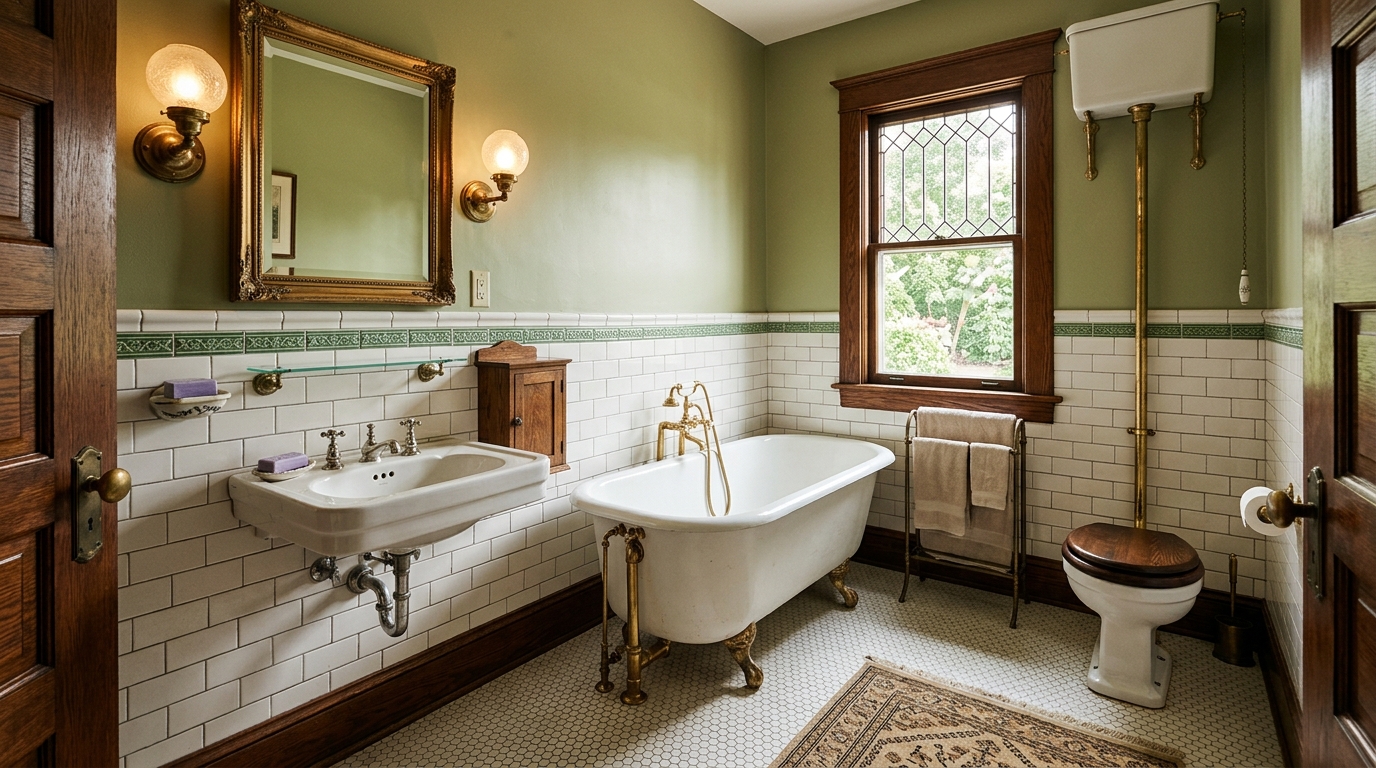
Understanding Preservation Constraints in Historic Bathrooms
Before designing your master bathroom renovation, understand what preservation requirements apply to your specific property. If your home is an individually designated landmark or within a historic district, exterior-facing walls and sometimes interior features affecting historic character need preservation board approval. A bathroom renovation visible from the street faces more scrutiny than an interior bathroom where changes aren't publicly visible.
Historic preservation boards care most about protecting character-defining features and exterior appearance. An original bathroom with period-specific fixtures is rare and valuable. Removing original bathroom features sometimes requires justification and approval. A more recently added bathroom might have more flexibility for renovation. Assessing your home's specific historic status and the particular bathroom's original age and significance informs what you can modify.
Some historic homes have beautifully preserved original bathrooms that shouldn't be gutted. Others have outdated bathrooms added in the 1970s that can be completely reimagined. Understanding the distinction determines your renovation approach. Professional assessment by a preservation architect or historian clarifies which features are historically significant and which can be modified freely.
Balancing Modern Plumbing With Historic Infrastructure
Historic homes' plumbing infrastructure presents unique challenges. Original cast iron drain lines often corrode and fail. Original water supply lines might be galvanized steel with mineral buildup restricting flow. Original bathrooms served eras with different fixture counts and water demand patterns. Modern master bathrooms want multiple fixtures, high water flow for rainfall showerheads, and adequate hot water capacity. Original plumbing systems weren't designed for these demands.
A master bathroom renovation in a historic home requires assessment of existing plumbing. Will the original main drain line support multiple modern fixtures, or does it need replacement? Can new fixtures connect to existing supply lines, or do you need new lines run? Where will new plumbing route—through basement areas where it's hidden, or through walls where it risks damaging original finishes? Planning plumbing routing during design prevents mid-project discoveries of structural obstacles or hidden original features.
Some historic homes have fascinating plumbing history worth preserving. Original brass supply lines or cast iron drains that have endured a century demonstrate quality craftsmanship. These can sometimes be preserved and integrated into modern bathrooms, though this requires skilled work and willingness to work around original infrastructure.
Electrical Work in Historic Homes
Historic homes often have outdated electrical systems requiring complete replacement. Knob-and-tube wiring, ungrounded circuits, and undersized capacity don't meet modern code or support contemporary fixtures and lighting. However, adding new electrical service in historic homes must be done carefully to minimize visible damage to original features.
Running new electrical through walls risks damaging original plaster, wallpaper, or decorative elements. In some cases, routing electrical through basement ceilings or exterior walls minimizes disruption to finished historic spaces. In other cases, carefully cutting into plaster, running wire, and patching minimizes damage while avoiding more destructive alternatives like removing walls.
Historic preservation specialists understand how to route modern systems through old buildings while preserving character. This expertise is worth paying for because it prevents damage that reduces your home's value and charm.
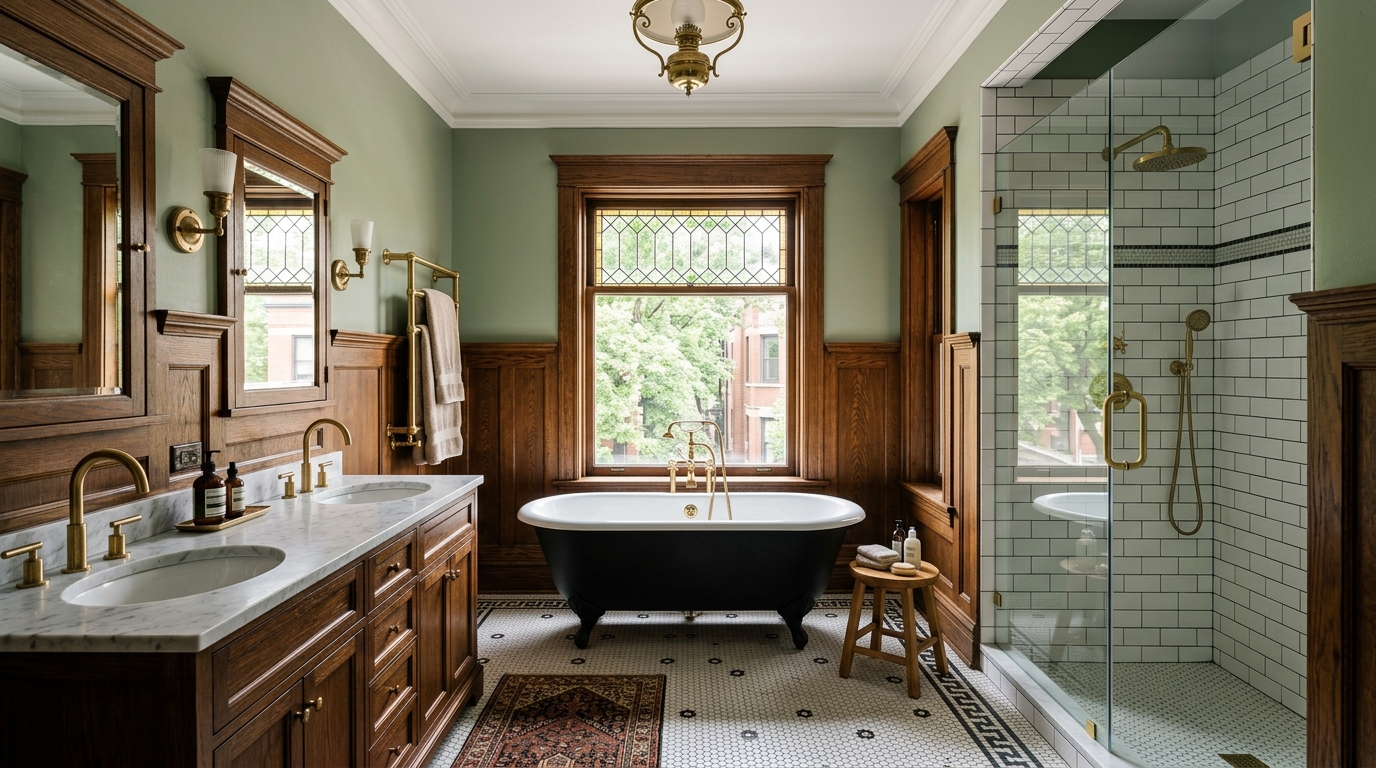
Structural Considerations for Expanding Bathrooms
Many historic homes had modest original bathrooms that don't meet contemporary expectations. Expanding a bathroom into an adjacent room or creating a larger ensuite space requires structural assessment. Removing walls might disturb load-bearing elements. Expanding into attic spaces requires roof framing assessment. Adding a bathroom in a basement requires foundation evaluation and moisture management planning.
A structural engineer's assessment prevents the problem of discovering mid-project that your expansion plan conflicts with structural elements or that the adjacent space can't accommodate the expansion you envisioned. These assessments cost a few hundred dollars and prevent far more expensive problems.
Some historic homes have structural constraints that limit bathroom expansion options. A Victorian with substantial load-bearing walls separating rooms might not accommodate open-plan bathroom design without significant structural reinforcement. A bungalow with limited space might require creative solutions. Understanding these constraints early allows you to design around them rather than discovering them mid-project.
Material Selection for Historic Bathroom Renovations
Material selection in historic bathrooms balances functionality with period appropriateness. You don't need to recreate an authentic period bathroom—that would sacrifice modern comfort and functionality. Instead, choose contemporary materials that complement the home's architectural style and don't clash with period details.
For bathrooms in Victorian homes, traditional subway tile, classic black and white geometric patterns, or period-inspired colors work well. For bathrooms in greystones and 1920s homes, clean contemporary finishes with quality materials honor the era without attempting false period accuracy. For bungalows, warm wood tones, simple geometric tiles, and mission-style elements can complement the home's Craftsman character.
Luxury materials—marble, granite, brass fixtures—historically were used in high-end homes. Using quality materials in historic bathroom renovations feels period-appropriate and authentic. Budget materials can clash with historic character. Investing in solid materials respects the home's original quality and maintains appropriate aesthetic.
Natural light and ventilation matter significantly in historic bathrooms. Original small bathrooms often had limited windows. Expanding windows or adding skylights creates better light and air quality. This modernization is generally acceptable in preservation terms because it improves livability without destroying historic character.
Heating and Cooling in Historic Bathrooms
Historic homes rarely have original HVAC systems. Adding heating and cooling to bathroom spaces requires carefully routing ducts to minimize visible impact. A bathroom in an upper floor might extend existing ductwork from central systems. A basement bathroom might require new ductwork routing through basement ceilings rather than through walls where it damages original finishes.
Adequate ventilation is essential in any bathroom, particularly in humid Chicago climates. Historic homes benefit from modern exhaust systems that remove moisture without damaging plaster or creating drafts.
Heated floors are excellent additions to historic bathrooms, providing comfort without requiring visible heating elements or alterations to historic finishes.
Adding a Master Bath to Historic Homes Without Ensuite
Many historic homes lack ensuite bathrooms—the master bedroom is separate from its bathroom. Adding a dedicated master bath in an adjacent space or creating a walk-in closet-bathroom connection modernizes the home significantly. However, this requires thoughtful design that preserves original room character while creating functional ensuite layout.
Some historic homes have dedicated master bathroom spaces that just need updating. Others require creating bathroom space from adjacent rooms or unused spaces. Understanding how to make these modifications without destroying original character is essential.
A master bathroom addition visible from the street or affecting exterior appearance requires preservation board review. Interior additions are usually more flexible. A thoughtfully designed addition that respects the home's scale and proportions enhances value. A poorly designed addition that looks tacked-on reduces value and appeal.
Luxury Features in Historic Bathrooms
Historic bathrooms can absolutely incorporate modern luxury features. Heated floors complement period architecture. Quality rainfall showerheads work well in spaces with adequate water pressure. Soaking tubs fit beautifully in spacious historic bathrooms. The key is ensuring luxury features integrate with the space's character rather than clashing.
A Victorian bathroom with ornate original woodwork, quality period-appropriate fixtures, and modern comfort features feels authentic and lovely. The same bathroom with trendy modern fixtures that clash with period character feels confused and devalues the original architecture.
Luxury finishes—marble, granite, brass—historically were used in high-quality bathrooms. Using quality contemporary materials in historic bathrooms feels appropriate and honest. Attempting false period accuracy with budget materials looks cheap and disrespects the home's original quality.
Working With Historic Preservation Professionals
Master bathroom renovations in historic homes benefit significantly from professional guidance. A preservation architect understands what modifications are acceptable within preservation requirements and how to design bathrooms that work beautifully within historic constraints. Their guidance prevents designing beautiful bathrooms that violate preservation requirements or damage historic character.
Contractors experienced with historic home bathrooms understand how to route modern systems through old buildings, how to preserve original features while modernizing systems, and how to minimize damage during renovation. These contractors cost more than inexperienced crews but prevent costly mistakes and damage.
If your home requires historic preservation approval, professional presentation of bathroom plans—showing how changes respect historic character and why modifications are necessary—increases approval likelihood. Professionals familiar with local preservation boards know what approaches these boards favor.
Creating Luxury Within Historic Constraints
The most successful master bathrooms in historic Chicago homes aren't attempting to recreate historical accuracy. They're thoughtfully designed modern bathrooms that respect and honor the home's character while providing genuine contemporary comfort and functionality. A greystone master bathroom with quality materials, modern fixtures that complement period proportions, excellent lighting, heated floors, and careful attention to preserving original character creates something genuinely special.
A Victorian master bathroom with ornate original woodwork preserved, quality contemporary fixtures, luxury finishes, and modern functionality creates luxury that feels authentic to the space. These bathrooms honor the home's heritage while celebrating contemporary comfort.
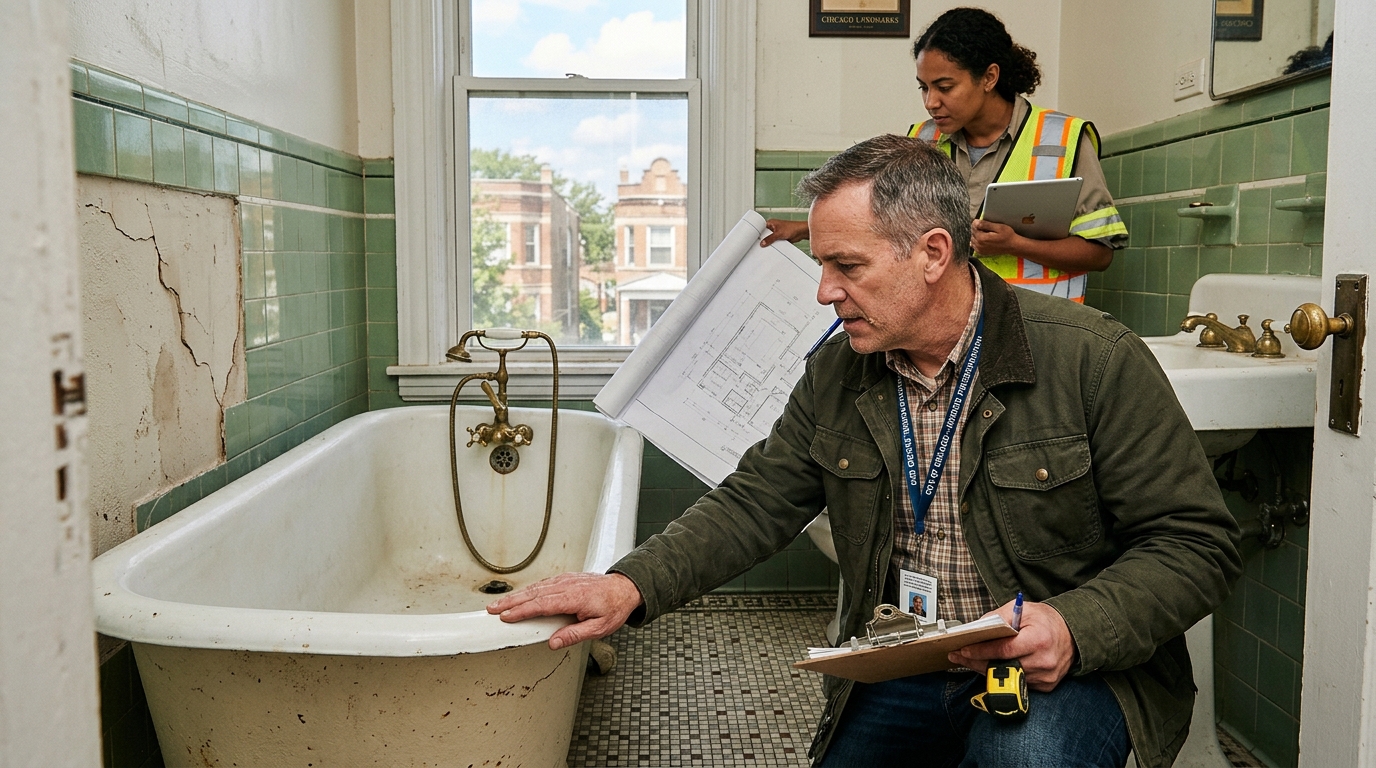
Making Your Historic Master Bath Renovation Real
Start with professional assessment. A preservation architect or historian can clarify which features are significant and which have flexibility. A structural engineer can assess whether your expansion plans are feasible. A contractor experienced in historic bathrooms can advise on routing systems and protecting original features.
Develop a design that respects your home's character while achieving modern functionality and your desired luxury features. Expect some constraints that newer homes don't face. Accept that some original features may need to be worked around rather than removed. The result is a bathroom that's authentically historic while being genuinely modern and comfortable.
If you're planning a master bathroom renovation in a historic Chicago home and want guidance balancing preservation with modern functionality, creating luxury features that work within historic constraints, and working with preservation requirements, Budget Construction Company has completed numerous bathroom renovations in Chicago's historic neighborhoods. We understand preservation requirements, work respectfully with preservation boards, and know how to create beautiful contemporary bathrooms that honor historic architecture. Contact us for a consultation to discuss your master bathroom vision and develop a plan that respects your home's heritage while providing luxury and comfort.
Related Posts
- Gut Renovating a Historic Chicago Home: Preserving Character While Meeting Modern Building Codes
- Historic Chicago Bungalow and Greystone Remodeling: Preserving Character While Adding Modern Comfort
- Heated Floors, Rainfall Showers, and Beyond: Which Luxury Bath Features Actually Survive Chicago Winters