
How to Choose the Right Contractor for Your Chicago Second Floor Addition: Questions to Ask and Red Flags to Avoid

A second floor addition is one of the most complex residential construction projects you can undertake. Unlike a kitchen remodel, adding a new level to your home requires contractors who understand structural engineering, have experience with load calculations, and know how to work with (not against) your existing foundation. Here's how to find the right team for your Chicago project.
Second-story additions succeed or fail based on contractor expertise and execution. The structural complexity, the integration with existing systems, the coordination with structural engineers and building inspectors—these demands require contractors with genuine experience and specialized knowledge. A contractor who's done many kitchen remodels but few structural additions probably lacks the expertise your project requires. Hiring the wrong contractor for a second-story addition can cost you tens of thousands in delays, corrections, and poor results. This guide walks through essential questions to ask, qualifications to verify, and red flags that indicate a contractor isn't qualified for second-story work. Before you hire anyone, run through this framework to ensure you're engaging a contractor with genuine second-story expertise.
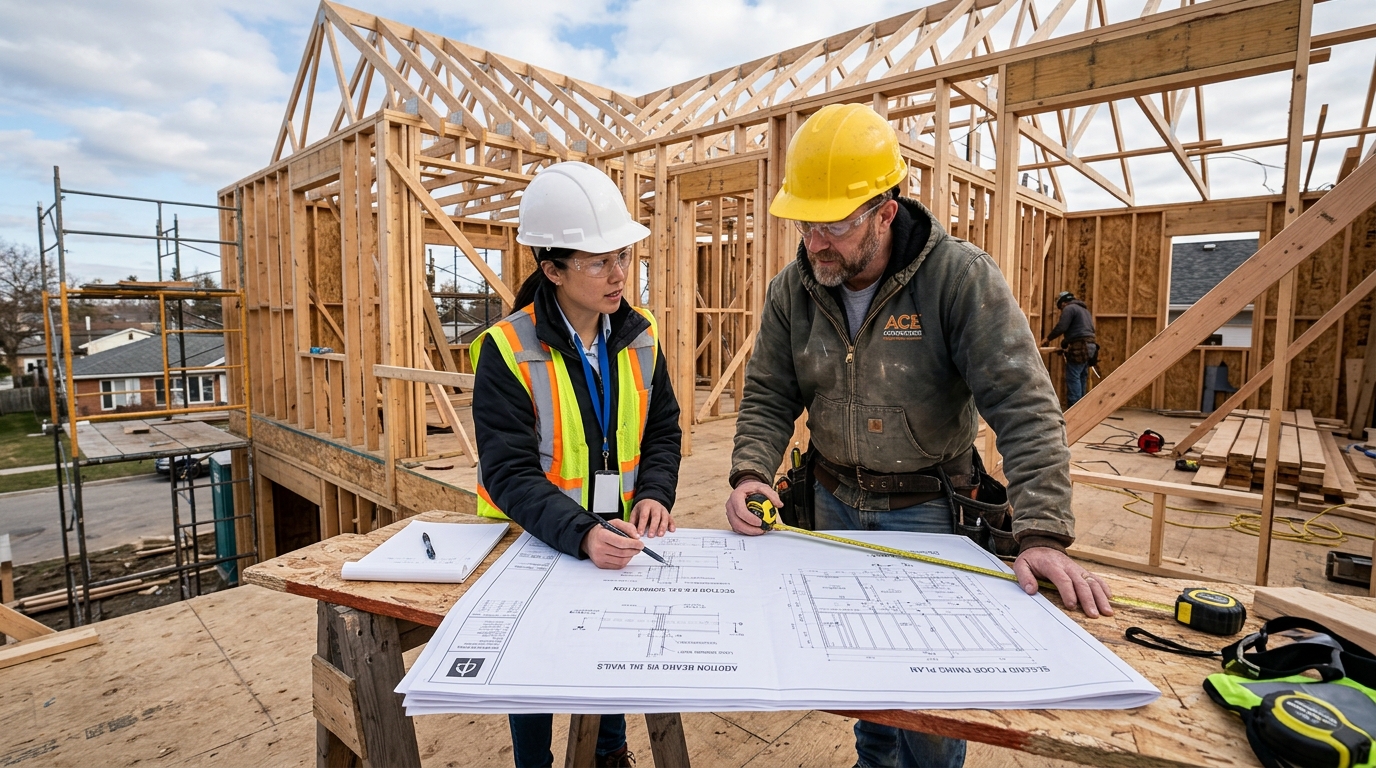
Questions About Licensing and Legal Standing
Question 1: Are You Licensed in Illinois and Your Specific Municipality?
Second-story additions in Illinois require licensed contractors. Ask for proof of current Illinois Residential Contractor License. Different Chicago municipalities have different licensing requirements, so verify what your specific municipality requires. A legitimate contractor has current licensing and keeps it current.
Red flags include contractors who claim licensing is optional, who can't provide current proof, or whose licenses have gaps in coverage. Unlicensed contractors operating in Illinois violate state law and leave you vulnerable to liability if someone is injured during work.
Question 2: Do You Have Current Liability and Workers' Compensation Insurance?
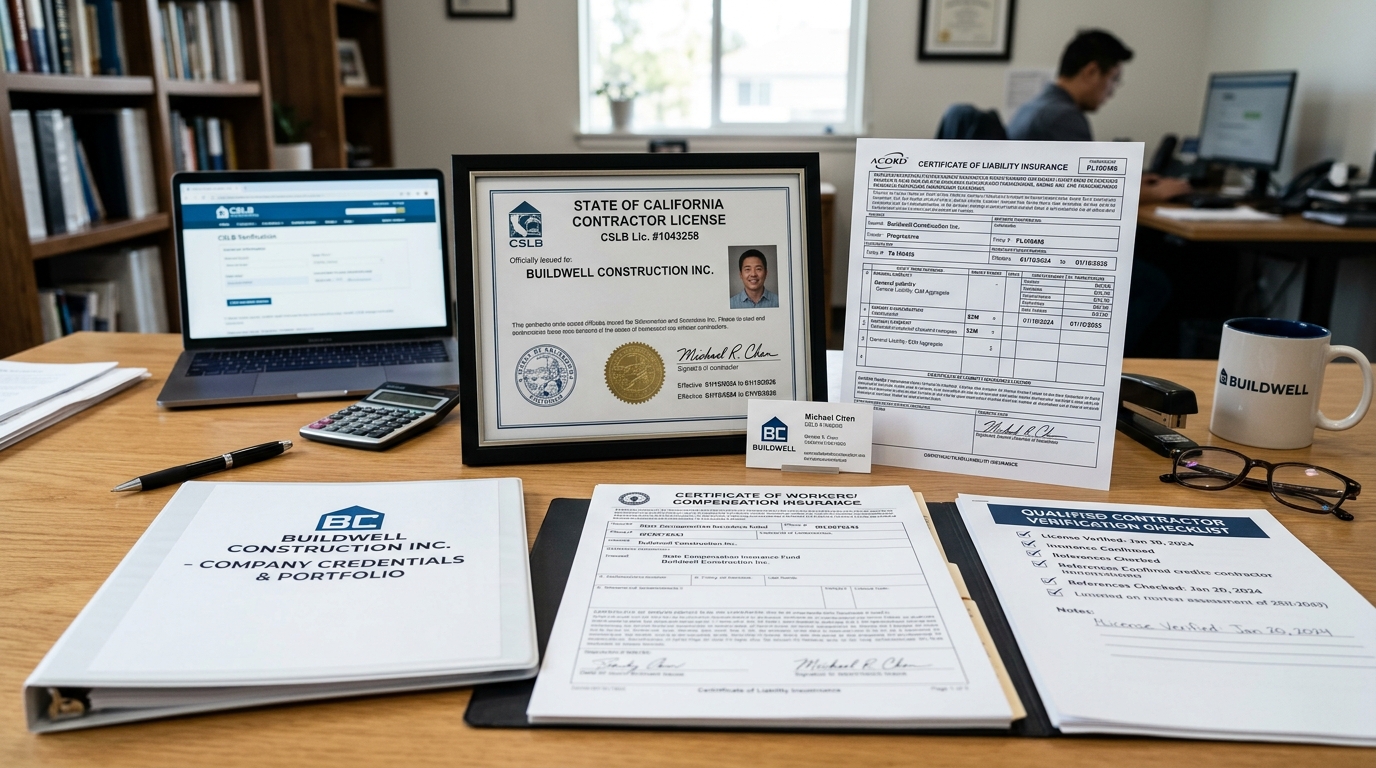
Liability insurance protects you if the contractor damages your home during work. Workers' compensation insurance covers employees injured during construction. Ask to see current certificates of insurance for both. If the contractor doesn't have these, their employee injury becomes your liability—potentially catastrophic cost.
Verify that insurance is in effect for your project's timeline, not just someday in the past. Request certificates naming your home's address as certificate holder so you know coverage applies to your project.
Question 3: Are You Bonded?
Some Chicago municipalities require contractors to post performance bonds. Bonds protect homeowners if contractors fail to complete work or pay subcontractors and suppliers. Ask whether your municipality requires bonding and whether the contractor carries bonding. This protects you and confirms the contractor meets municipal requirements.
Questions About Second-Story Experience
Question 4: How Many Second-Story Additions Have You Completed?
This is the critical question distinguishing qualified second-story contractors from generalists. Ask specifically about second-story additions—not all room additions, not kitchen remodels, but vertical additions. If a contractor claims to do everything but has only done a handful of second stories, they're not specialists.
Specialists have completed at least 10-15 second-story projects. They understand structural considerations, code requirements, and project management for vertical work. Generalists who do second stories occasionally typically lack the depth to handle problems efficiently.
Question 5: How Many Second-Story Additions Have You Completed in Chicago Specifically?
Chicago's housing stock, soil conditions, building code requirements, and permit processes are specific to Chicago. A contractor with second-story experience in Denver or Atlanta might not understand Chicago's unique conditions. Ask how many Chicago second-story projects they've completed.
Experience in Chicago's older housing stock is particularly valuable because century-old homes present structural challenges that newer construction doesn't have. A contractor experienced with Chicago greystones and bungalows understands those specific challenges.
Question 6: Can You Provide References from Recent Second-Story Projects?
Ask for at least three references from second-story additions completed in the last two years in Chicago. Call these references and ask specific questions: Were structural issues handled professionally? Did costs track to estimates? Was timeline realistic? Did the contractor stand behind their work? Did any problems arise after completion?
References reveal patterns you won't discover from quotes alone. A contractor claiming expertise but unable to provide quality references is a red flag. References confirming smooth projects with professional structural coordination suggest a qualified contractor.
Questions About Structural Expertise
Question 7: How Do You Work with Structural Engineers?
Second-story additions require structural engineers. A qualified contractor has relationships with competent structural engineers, coordinates with them throughout the project, and respects their recommendations. Ask how the contractor typically manages structural engineering on second-story projects.
A contractor who brushes off structural engineering concerns or suggests it's unnecessary is a major red flag. A contractor who has preferred structural engineers and coordinates regularly with them understands structural work's importance.
Question 8: How Do You Handle Foundation Assessment and Reinforcement if Needed?
Ask the contractor to describe how they approach foundation assessment. Do they engage a structural engineer before committing to costs? How do they handle situations where reinforcement is needed? A contractor who acknowledges that foundation surprises are common and has processes to address them suggests experience with Chicago's variable soil and foundation conditions.
A contractor who quotes a fixed price without foundation assessment probably hasn't thought through the complexities. Foundation issues discovered mid-construction on a fixed-price contract create severe problems. Budget-conscious contractors who acknowledge structural uncertainty and build appropriate contingency are safer partners.
Question 9: What's Your Experience with Chicago Building Inspectors and Permit Requirements?
Second-story additions require multiple inspections and code compliance. A contractor experienced in Chicago knows what inspectors look for, how to schedule inspections efficiently, and how to respond to inspection findings. Ask what the contractor's experience is with Chicago's permit process and inspections.
A contractor who describes smooth inspection experiences with clear description of typical issues suggests competence. A contractor who complains about inspectors or suggests they slow things down unnecessarily is a concern—experienced contractors work efficiently with the inspection process.
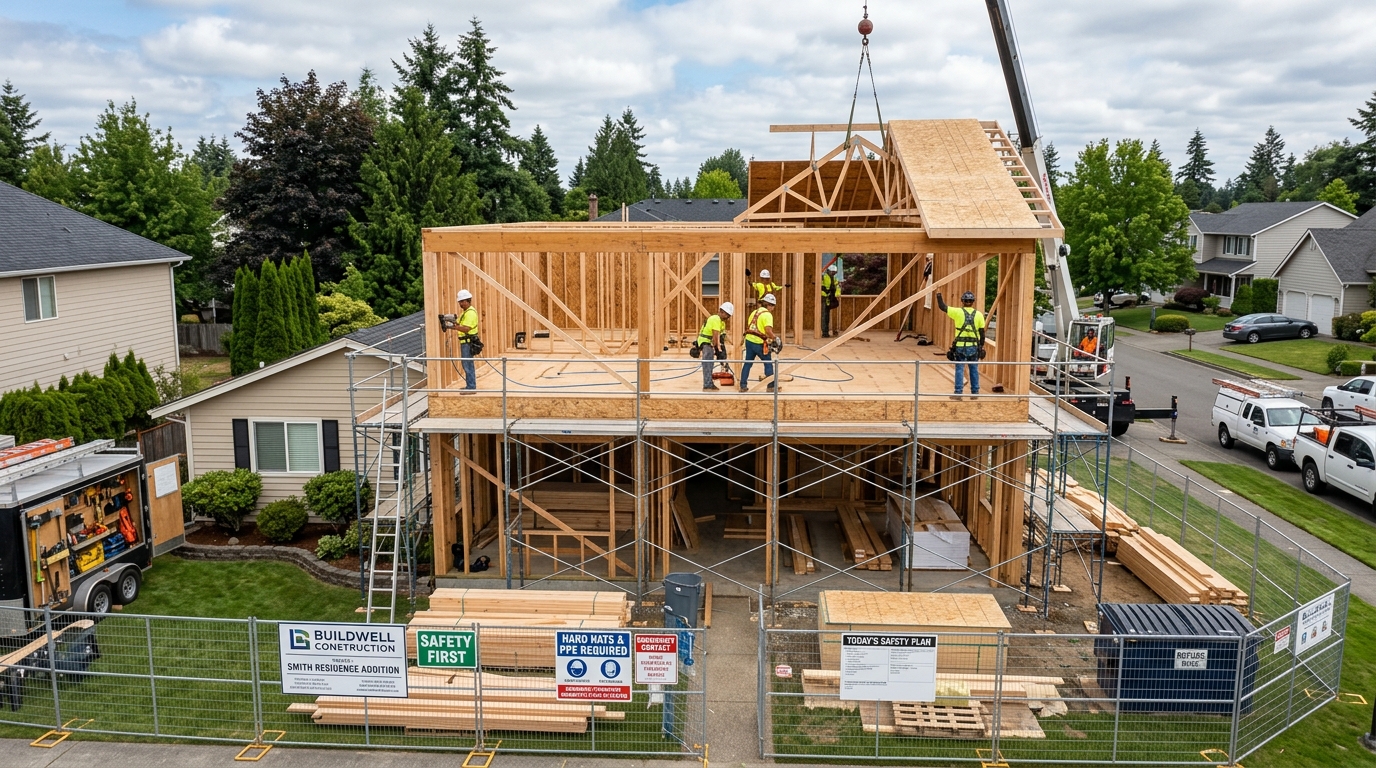
Questions About Project Management and Timeline
Question 10: What's Your Realistic Timeline for a Second-Story Addition?
Second-story additions typically take six to nine months from permit through completion. A contractor quoting significantly less time is either underestimating or planning to cut corners. Ask the contractor to walk through their timeline, explaining design, permitting, structural work, roof integration, and finishing.
A contractor who acknowledges that second stories are complex projects and explains realistic timelines suggests experience. A contractor rushing timeline is concerning.
Question 11: How Do You Handle Structural Surprises or Code Compliance Issues During Construction?
Ask how the contractor handles situations where structural assessment reveals unexpected problems or where code issues are discovered during construction. How do they communicate changes? How do they manage cost and timeline impacts?
A contractor with realistic experience acknowledges that surprises happen in second-story work. How they handle problems reveals professionalism. A contractor suggesting nothing unexpected ever happens is being unrealistic.
Question 12: What's Your Post-Completion Warranty and How Do You Handle Issues That Arise?
Ask about labor warranty. Does the contractor stand behind their work? For how long? What process exists for addressing post-completion issues? A contractor confident in their work offers clear warranty terms.
Red Flags: Warning Signs of Unqualified Contractors
Beyond these specific questions, watch for behavioral red flags. Contractors who pressure you to decide immediately without time to compare are pushing commitment before you can assess properly. Contractors who require large upfront payments (more than 30% is unusual) are taking financial risk from you before any work is done. Contractors who can't explain their processes clearly or get defensive when asked detailed questions lack confidence in their expertise.
Contractors advertising rock-bottom pricing significantly lower than competitors are typically cutting corners. In second-story work, the cheapest option often means inadequate structural assessment, poor coordination with engineers, or quality shortcuts you'll regret.
Contractors operating informally (from vehicles, no business address, no phone number) lack accountability structure. If problems arise, finding them becomes difficult. Legitimate contractors operate from permanent locations with documented business structure.
Comparing Contractor Quotes
Get quotes from at least three contractors experienced in second-story additions. Quotes should itemize structural engineering coordination, foundation assessment, roof integration, interior finishing, and permits separately. Compare scopes carefully—one contractor might include structural engineering while another doesn't, creating apparent cost differences that reflect different scopes.
Ask why quotes differ significantly. Low bidders should explain what they're doing differently. High bidders should explain what justifies premium pricing. Middle-range quotes often represent realistic market pricing, but not always—pricing depends on contractor expertise and market position.
Making Your Hiring Decision
After asking all these questions and checking references, trust your judgment about contractor professionalism and expertise. Do you feel confident they understand your project? Do they communicate clearly? Do they seem genuinely interested in quality work rather than just getting paid? These subjective judgments matter. A contractor who's technically qualified but who makes you uncomfortable about communication or professionalism is a poor fit.
Choose a contractor who combines experience, professionalism, clear communication, and references confirming smooth projects. A qualified contractor is worth paying appropriately because they'll deliver results worth the investment. Cheaper isn't better when it means inadequate expertise for complex structural work.
Getting Everything in Writing
Once you've chosen your contractor, ensure everything is in writing: scope, timeline, payment schedule, warranty terms, and the process for addressing issues. Have the contractor walk through the contract so you understand every provision. Don't sign anything you don't fully understand. A good contractor expects this scrutiny and welcomes it.
Next Steps for Contractor Selection
Interview at least three contractors experienced in second-story additions in Chicago. Ask all twelve questions and check references thoroughly. Compare quotes itemizing scope clearly. Verify licensing, insurance, and bonding. Make your hiring decision based on expertise, communication, and references confirming professional work—not just lowest price.
Budget Construction has completed numerous second-story additions throughout Chicago and suburbs. We have deep expertise in structural coordination, Chicago's permit process, and managing the complexity of vertical construction. Our references confirm professional work, transparent communication, and commitment to quality. If you're planning a second-story addition and want a contractor with genuine expertise and commitment to your project's success, visit https://budgetconstructioncompany.com/ to schedule a consultation. We'll answer all your questions thoroughly and help you understand whether we're the right fit for your project.