
Second Floor Additions in Chicago's Historic Neighborhoods: Preserving Character While Adding Space

Chicago's most desirable neighborhoods come with architectural restrictions and community expectations. Adding a second story to your historic home in Evanston, Oak Park, or along the Gold Coast requires a different approach than a new construction in the suburbs. Here's how to expand your family's space without losing your home's soul or running afoul of local preservation guidelines.
Adding a second story to a historic Chicago home presents a particular challenge: you want to expand your living space and accommodate your family's growing needs, but you also want to respect the architectural character and heritage that makes your historic home worth preserving. Chicago's most desirable neighborhoods—Lakeview, Rogers Park, Oak Park, Evanston, Lincoln Square, Gold Coast—are treasured specifically because of their architectural character. Thoughtfully designed second-story additions respect that character while providing modern space your family needs. Poorly designed additions undermine the character you want to preserve and often face preservation board rejection. This guide walks through the practical considerations for adding second stories to historic Chicago homes, helping you design and build additions that respect history while serving contemporary living.
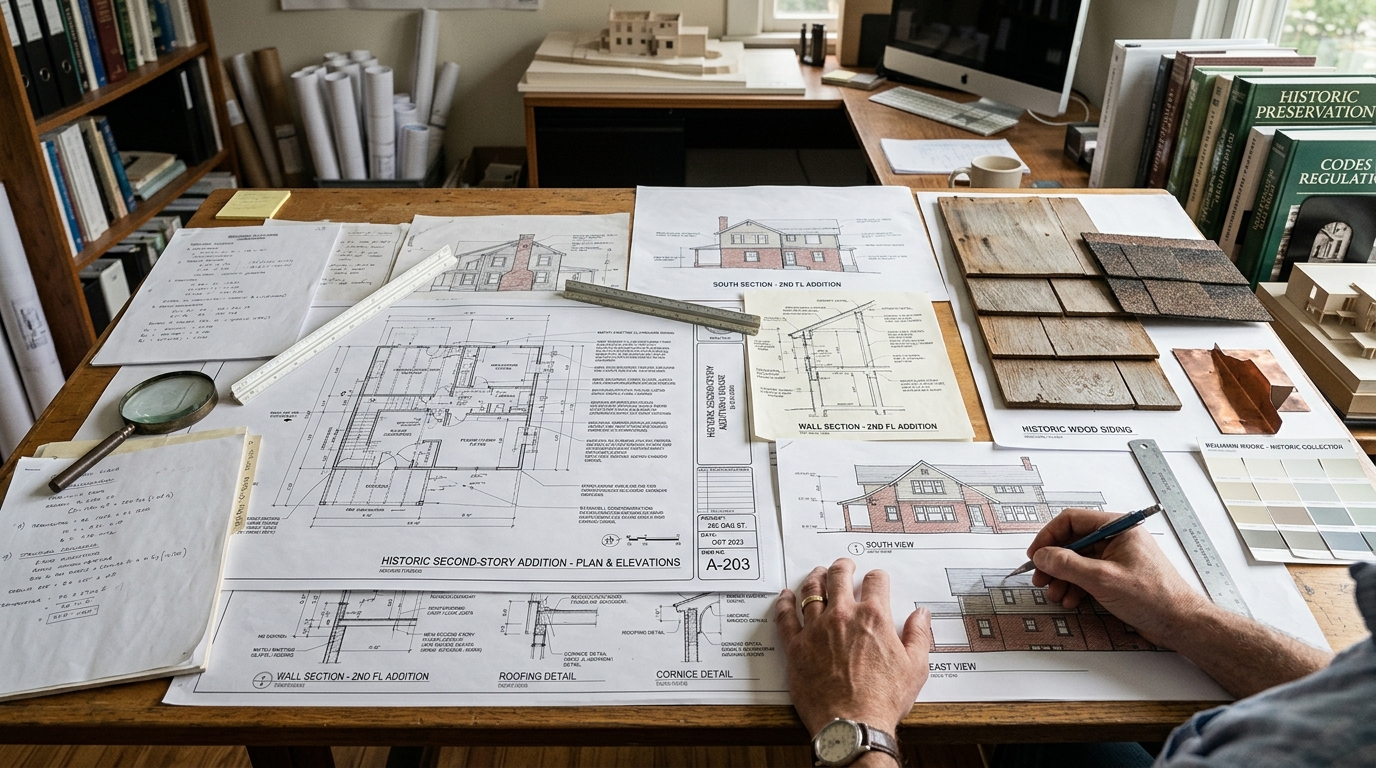
Historic District Design Review Requirements
Most Chicago neighborhoods with historic character operate under design review requirements. Adding a second story to a home in a historic district requires approval from the Chicago Commission on Chicago Landmarks or local historic preservation boards before you can build. This review ensures that your addition respects the neighborhood's architectural integrity and character.
Specific requirements vary by historic district. Chicago Landmarks Commission oversees citywide designated landmarks and historic districts. Local historic districts in neighborhoods like Evanston, Oak Park, and parts of Rogers Park have their own design review boards. Some neighborhoods have strict requirements while others allow more flexibility. Before planning a second-story addition, obtain your specific historic district's design guidelines and understand what they require.
Design review adds four to eight weeks to your project timeline. Your design must be submitted, reviewed, potentially modified based on board feedback, resubmitted, and approved before you can apply for building permits. This sequential process can't be rushed. However, working with architects experienced in historic preservation and understanding design guidelines upfront typically results in approval within one or two review cycles.
Architectural Matching and Period Compatibility
The most successful second-story additions on historic Chicago homes respect the original architecture while being clearly contemporary. They don't pretend to be original—they announce themselves as thoughtful modern additions to historic structures. This approach respects both the original architecture and contemporary design sensibilities.
Material matching is foundational. If your historic home is brick, your second story should be brick. If it's limestone, stucco, or other materials, match them. Material compatibility is the first thing preservation boards evaluate. Mismatched materials signal disrespect for the original structure. Matching materials doesn't require expensive custom work—standard brick or stone materials, properly selected, achieve compatibility.
Roof line integration matters significantly. Successful second-story additions integrate with existing roof structure in ways that feel natural and proportional. A second story that extends above existing roof line must do so with visual logic—the addition should relate to the existing structure's proportions and aesthetic rather than appearing randomly attached. Gable lines, cornice details, and roof pitch should relate logically to existing structure.
Window placement and style influence how additions read architecturally. Historic homes have specific window patterns and proportions. Second-story windows should relate to existing window patterns rather than introducing completely different styles. Matching window styles or using contemporary interpretations that respect period proportions works better than installing modern windows that clash with original character.
Setbacks from the original structure can work well in historic neighborhoods. Setting the second story back from the front of the original home announces that the addition is new while maintaining visual connection to the original structure. This approach is often favored by preservation boards because it respects the original building's integrity.
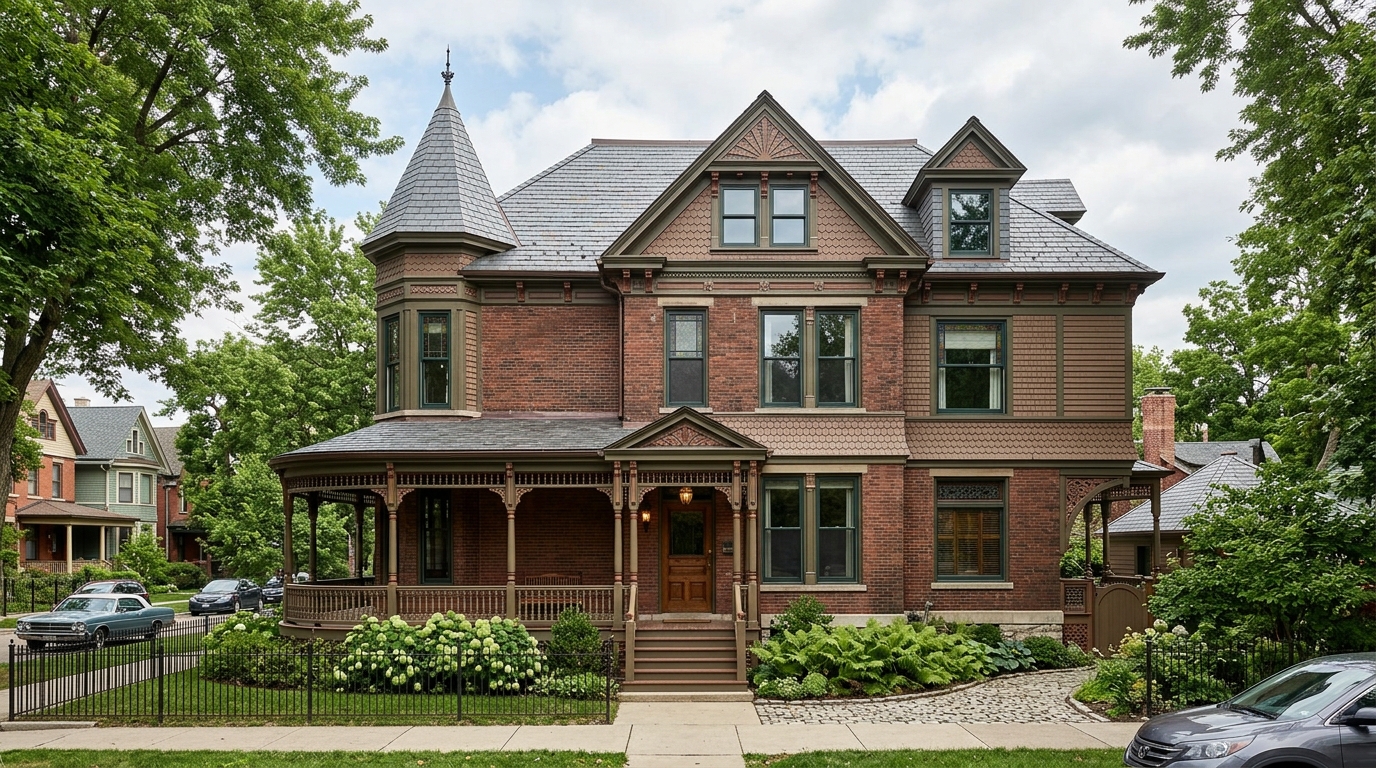
Neighborhood-Specific Approaches for Historic Chicago
Rogers Park Victorians: Rogers Park Victorians were built in the 1880s-1900s with distinctive three-story proportions, bay windows, and ornate details. Adding a second story to a Victorian typically involves adding above existing first or second floor. Success requires matching existing architectural details, respecting the home's original proportions, and integrating new story with existing rhythm and ornamentation. Rogers Park's design review board expects proposals that genuinely respect Victorian character.
Lakeview Greystones: 1920s greystones dominate Lakeview's architecture. These substantial stone buildings have distinctive proportions and details. Adding a second story to a greystone requires working with the home's original architectural vocabulary—matching stone materials, respecting original roof lines, and understanding the building's proportional relationships. Greystones were built with confidence and solidity; additions should reflect that quality.
Oak Park Frank Lloyd Wright Legacy: Oak Park's architectural identity is shaped by Frank Lloyd Wright and contemporary Prairie School design. Adding a second story in Oak Park requires respect for these design principles: horizontal lines, integration with landscape, honest use of materials, and respect for original proportions. Oak Park's design review is stringent because the neighborhood is nationally recognized for architectural significance. Proposals must demonstrate genuine understanding of and respect for the neighborhood's design heritage.
Lincoln Square Bungalows: Lincoln Square has numerous craftsman-era bungalows built in the 1920s-1930s with distinctive single-story proportions, generous front porches, and period details. Adding a second story to a bungalow typically involves building above or beside the existing structure. Success requires respecting the original bungalow's proportions, matching materials and details, and designing a second story that feels integrated rather than imposed.
Evanston Historic Districts: Evanston has extensive historic district designation with some of the strictest preservation requirements in the Chicago area. Evanston's design review board carefully evaluates second-story additions to ensure they're architecturally appropriate and compatible with neighborhood character. Proposals must include detailed architectural drawings and materials documentation. Pre-application meetings with Evanston's design review board are strongly recommended before investing in detailed design.
Structural Challenges in Historic Second-Story Additions
Historic homes present structural challenges for second-story additions that newer construction doesn't have. Foundations in century-old homes are often solid but fixed and not designed for additional stories. Before a second story can be added, structural engineers must assess whether existing foundation can support additional weight. Many Chicago historic homes can, but some require foundation reinforcement.
Original materials—masonry, timber framing, older concrete—have known performance but varying conditions depending on age and maintenance. A century-old brick wall might be solid or it might have deteriorated mortar joints requiring repointing. Structural assessment is essential to understand conditions and needs.
Moisture is common in historic homes. Older construction predates modern moisture barriers and vapor management. Adding a second story might require addressing moisture issues in original structure before adding new space above. This work isn't always obvious until construction begins.
Working with Preservation-Experienced Architects
Success in historic second-story additions requires architects experienced specifically in historic preservation in your neighborhood. They understand local design review requirements, know what designs boards have approved historically, and can design additions that satisfy preservation requirements while serving your needs. Architectural fees for historic projects are higher than standard additions because of specialized expertise required.
Request pre-application meetings with your historic design review board before committing to detailed design. This early feedback shapes your design to align with what the board will likely approve. Some architects can attend these meetings on your behalf, presenting your vision and gathering feedback.
When you submit your design for formal review, provide comprehensive materials: detailed elevations showing the addition in relation to existing home, material samples, window designs, and narrative explanation of your design approach. Well-documented submissions move through review faster than poorly documented ones.
Timeline and Cost Implications
Historic second-story additions typically take eight to ten months from initial design through permit approval—longer than non-historic additions because of design review process. Design review adds four to eight weeks; design modification based on feedback adds another two to four weeks; building permits add another four to six weeks. This sequential timeline can't be compressed.
Cost premium for historic work is typically 15-25% above comparable non-historic additions because of design complexity, preservation board coordination, and higher-quality materials required. A non-historic second story might cost $90,000-150,000; a historic version of similar scope might cost $104,000-188,000. This premium reflects legitimate additional work and material expenses.
Financing Historic Second-Story Additions
Some federal and state tax credits are available for historic preservation work. If your home is on the National Register of Historic Places or in a designated historic district, you might qualify for tax incentives that reduce the cost of preservation-compliant improvements. Consult a tax professional and research programs in your specific state and municipality to understand available incentives.
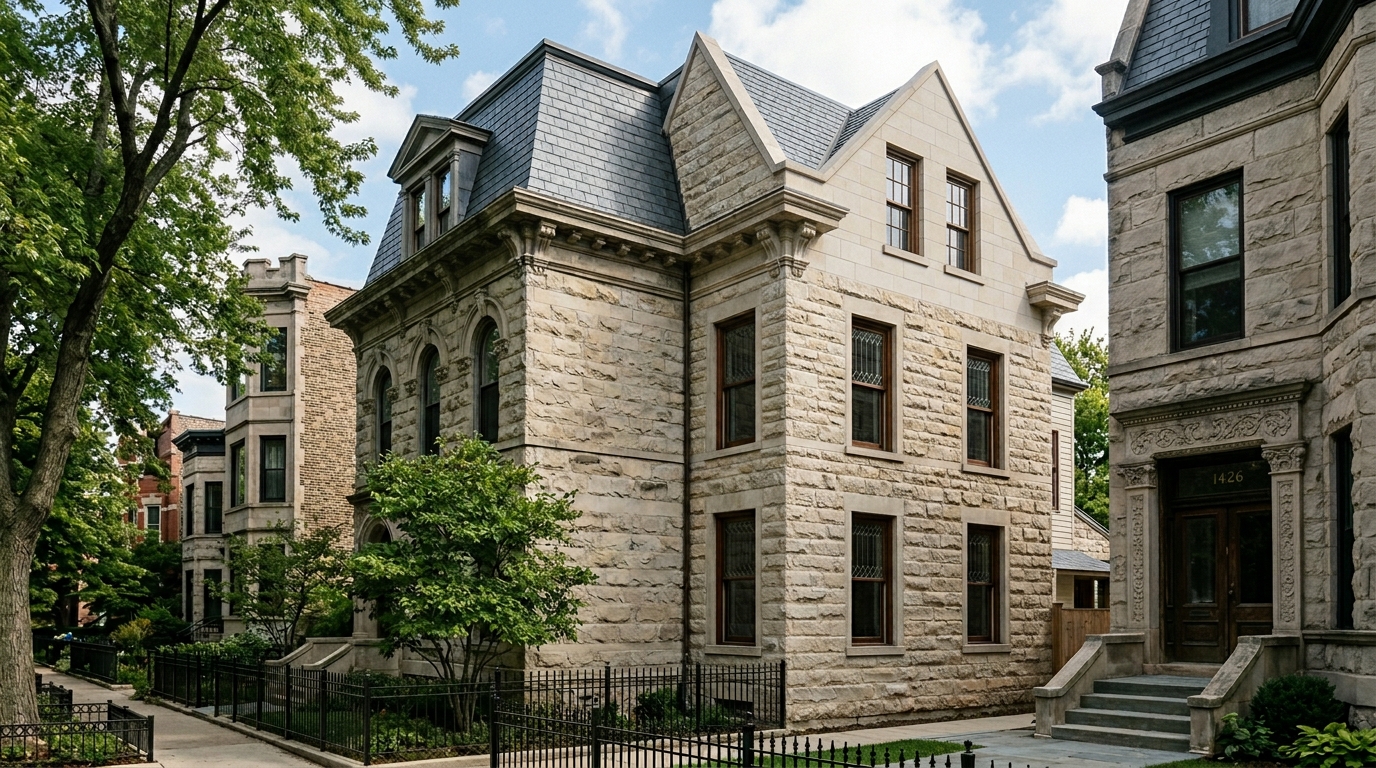
Preserving Your Home's Character While Expanding
The goal of adding a second story to a historic home is expanding space while preserving what makes your home valuable and beautiful. This balance is achievable when you work with preservation-experienced architects, understand design review requirements, and commit to respecting the original architecture. The result is a home that serves your family's contemporary needs while maintaining the character that makes historic neighborhoods treasured.
Next Steps for Historic Second-Story Addition Planning
Before committing to a second-story addition on your historic home, obtain your specific historic district's design guidelines and understand what preservation requirements apply. Have a structural engineer assess your home's structural condition and evaluate whether a second story is feasible. Hire an architect experienced in historic preservation in your specific neighborhood. Request a pre-application meeting with your design review board to discuss preliminary concepts before investing in detailed design. Budget realistic timeline (eight to ten months minimum) and costs (15-25% premium for historic work) for your project.
Budget Construction has completed second-story additions on historic homes throughout Chicago's neighborhoods—Rogers Park, Lakeview, Lincoln Square, Oak Park, Evanston, and beyond. We work with architects experienced in historic preservation, understand design review requirements in different districts, and know how to design and build second-story additions that honor historic character while serving modern families. If you're planning a second-story addition to your historic Chicago home and want guidance on preserving character while adding space, visit https://budgetconstructioncompany.com/ to schedule a consultation. We'll discuss your home's architectural period and preservation requirements, help you understand what's possible, and guide you through the process of adding space respectfully.