
Second Story vs Side Addition in Chicago: How to Choose the Best Expansion for Your Property and Family

Choosing between adding a second story and expanding outward isn't just about preference—it's about your specific property constraints, neighborhood regulations, and long-term goals. Chicago's diverse housing stock means the right choice varies dramatically depending on whether you own a bungalow in Portage Park, a Victorian in Rogers Park, or a ranch in the suburbs.
When Chicago homeowners decide they need more space, the fundamental question is vertical or horizontal: should you build a second story or expand sideways with a side addition? These represent dramatically different approaches to the same problem—lack of space. Each has distinct advantages and disadvantages for different homes, properties, and neighborhoods. Cost, timeline, living disruption, neighborhood fit, and long-term value implications all differ between these approaches. Understanding how your specific property, neighborhood, and family situation align with each option helps you make the choice that actually serves your needs rather than simply choosing the option that sounds appealing. This guide walks through the critical factors that should influence your decision between vertical and horizontal expansion.
Cost Comparison: Second Story Premium
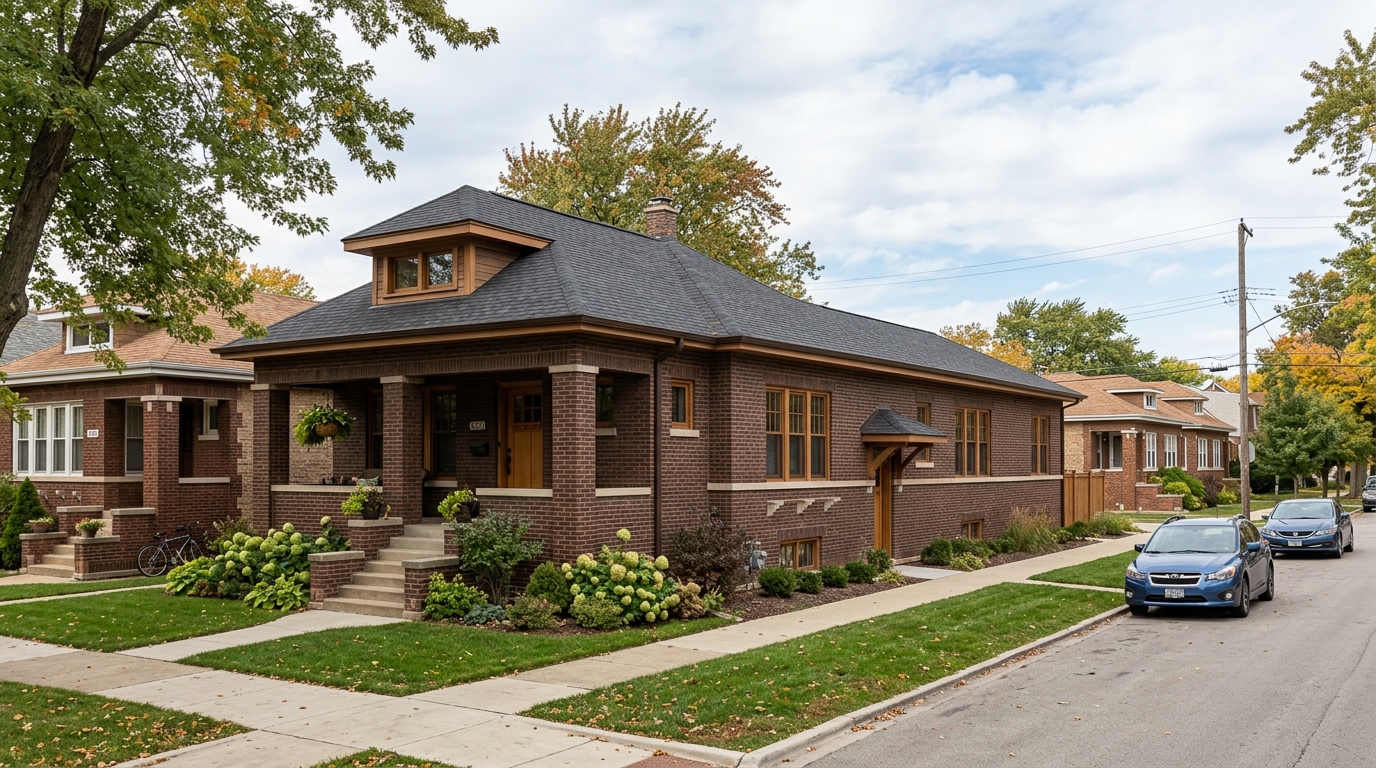
Second-story additions cost roughly 30-50% more per square foot than side additions because of structural complexity and engineering requirements. In 2026 Chicago pricing, a side addition runs $200-350 per square foot while a second story runs $300-500 per square foot. For 300 square feet of space, a side addition budgets $60,000-105,000 while a second story budgets $90,000-150,000+. The cost difference is significant and represents real structural and engineering work required to add weight to existing structures safely.
This cost difference is important for budget-constrained projects. If you need space but have limited budget, a side addition provides more square footage for your investment. If budget is less constraining than other factors, the cost premium for second-story might be worth the benefits that vertical expansion provides.
Lot Constraints: When Second Story Becomes Necessary
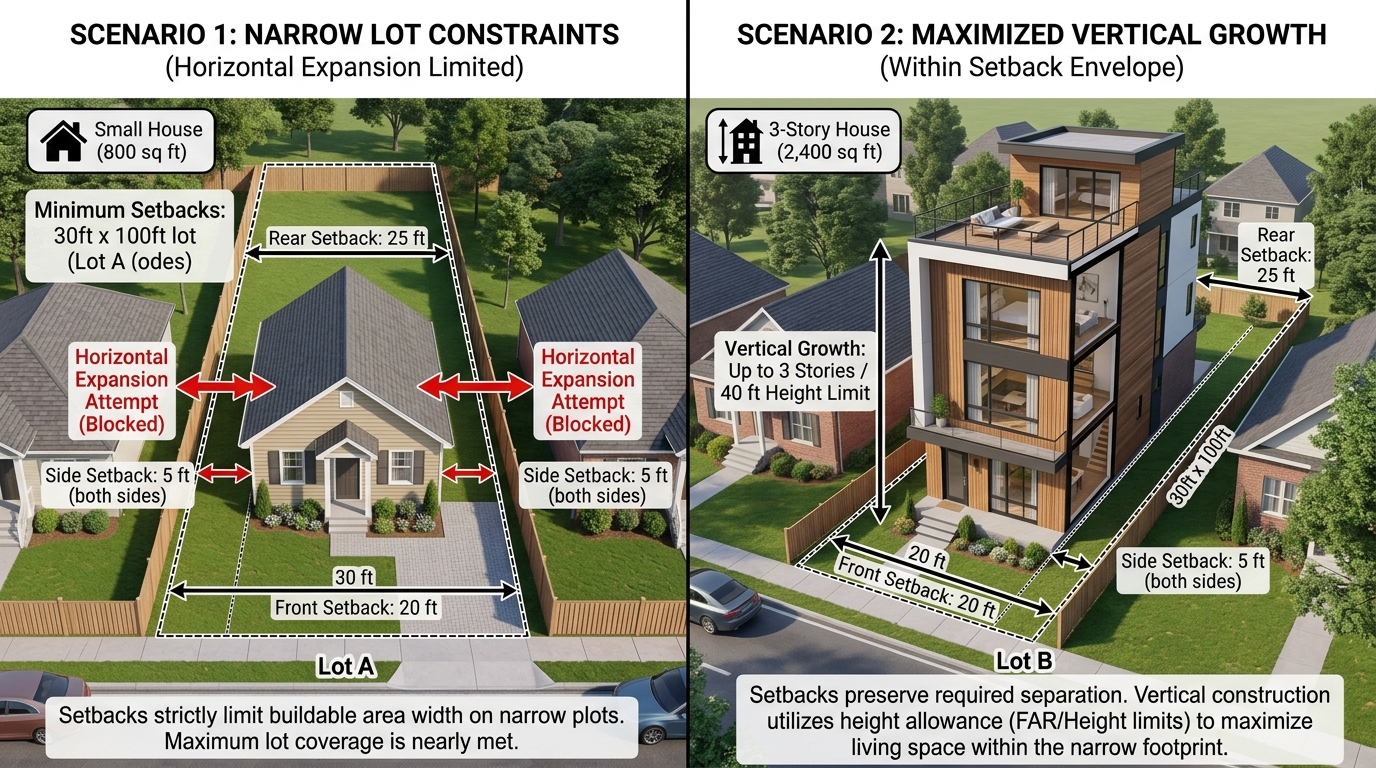
Chicago's zoning requirements for setbacks from property lines limit horizontal expansion on many properties. A property with a 25-foot width might require 5-foot setbacks from each side lot line, leaving only 15 feet for buildable width. Your existing home might already consume that 15-foot width, making side expansion impossible without violating zoning. In this situation, vertical expansion becomes necessary because horizontal expansion isn't legally possible.
This constraint is particularly acute in urban neighborhoods like Rogers Park, Lakeview, and parts of Lincoln Square where lot sizes are smaller and setback requirements limit horizontal expansion significantly. In these neighborhoods, second-story additions are the practical solution for properties where side expansion violates zoning. In neighborhoods with larger lots and more generous setbacks (Portage Park, parts of Ravenswood), horizontal expansion is often possible and viable.
Before choosing between vertical and horizontal expansion, have a surveyor confirm your lot dimensions and setback requirements. This clarifies what's actually possible on your property before you invest in design and permitting for an approach that might violate zoning.
Timeline and Living Disruption
Side additions typically take four to six months from permit through completion. You're living in your home during construction with disruption confined to areas being worked on. Your kitchen might be off-limits during a kitchen expansion, but the rest of your home continues functioning relatively normally.
Second-story additions take six to nine months minimum because of increased structural complexity. More critically, second-story construction disrupts your entire home more significantly. Roof removal and replacement affects weather protection for the entire house during construction. Your home's structural integrity is temporarily compromised, which can be stressful for families living through it. Some families relocate during second-story construction because disruption is more extensive than they're willing to tolerate.
If minimizing timeline and living disruption is important to your family, side additions are superior. If you're willing to endure greater disruption for other advantages that vertical expansion provides, second-story works despite the timeline and disruption challenges.
Neighborhood Character and Architectural Fit
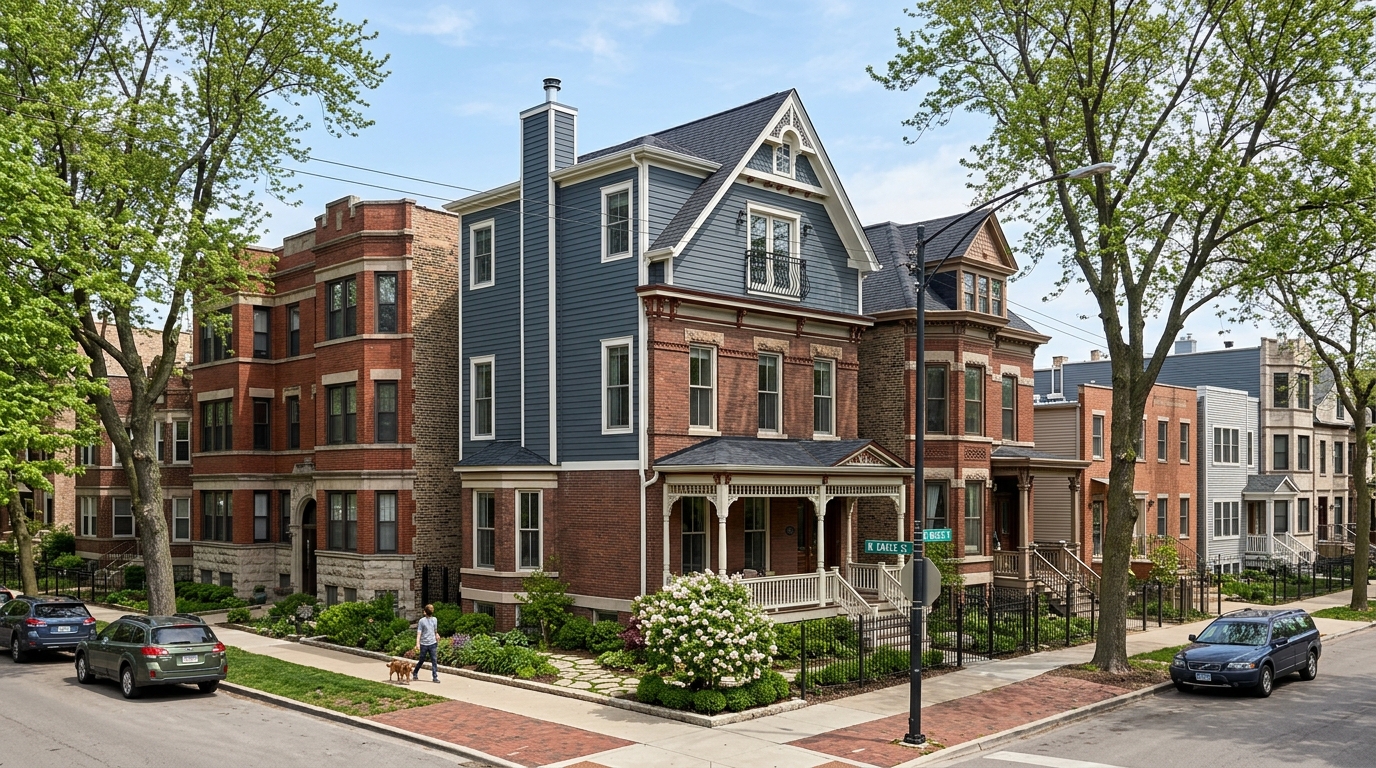
Chicago neighborhoods have distinct architectural characters that influence whether vertical or horizontal expansion feels appropriate. In neighborhoods of single-story bungalows, adding a second story makes your home visually inconsistent with neighborhood character. In Rogers Park's bungalow areas or Portage Park, your home becomes an outlier. Community boards might object. Your home looks different from neighbors' homes. A side addition that maintains single-story profile respects neighborhood character better.
Conversely, in neighborhoods of Victorian and greystone homes built with multiple stories, a second-story addition feels architecturally appropriate. Your home becomes more typical of the neighborhood character. A side addition that extends the footprint horizontally might feel awkward in a neighborhood of vertical buildings.
Understanding your neighborhood's architectural patterns helps you choose expansion that respects local character. An inappropriate choice creates a home that stands out awkwardly rather than fitting naturally within the neighborhood fabric.
Space and Layout Considerations
Second-story additions provide distinct rooms—typically bedrooms, bathrooms, home offices—because upper levels naturally divide into separate functional spaces. If you need additional bedrooms or need distinct spaces for different uses, a second story works well. The layout naturally creates separation between functional areas.
Side additions typically expand existing functions—expanding kitchens, creating larger family rooms, adding home offices adjacent to existing living space. If you need to enlarge existing functions or create additional living space connected to existing areas, a side addition works better. The layout naturally creates continuity and connection between new and existing space.
Consider what space you actually need. Multiple bedrooms for growing families work better with second-story additions. Kitchen expansion or family room expansion works better with side additions. Your actual space needs should influence your choice.
Foundation and Structural Considerations
Side additions sit on new foundations built independently beside existing structures. The structural work is straightforward—design appropriate footings for your soil conditions and build the addition. Foundation assessment and design are required but relatively simple. Side additions don't stress existing structure because they're essentially separate structures connected to your home.
Second-story additions place weight on existing foundations and structure designed and built decades ago without anticipating additional stories. Before a second-story addition is possible, structural engineers must assess whether existing structure can safely support additional weight. Many older Chicago homes can—century-old bungalows and greystones were built robustly. However, some homes require foundation reinforcement or structural modifications before second stories can be added. These modifications increase both cost and construction complexity substantially.
This structural difference means side additions are less risky and more predictable. Second-story additions demand more upfront engineering work and present more risk of structural surprises mid-construction. If structural certainty and predictability are priorities, side additions are superior.
Home Value and Marketability
Both vertical and horizontal additions increase home value, but differently depending on neighborhood. In neighborhoods where second-story additions are architecturally normal and expected, second-story additions add value and marketability. In neighborhoods of single-story homes, second-story additions might alienate buyers who preferred the original character.
Side additions that improve existing spaces—kitchens, family rooms, home offices—generate obvious appeal to future buyers. Additional bedrooms or bathrooms are always valuable. Side additions typically recoup 80-90% of costs in increased home value because they're obviously valuable space.
Both addition types work better when they're designed to harmonize with your home's existing architecture rather than looking grafted-on or inconsistent. A well-designed side addition that matches existing materials and proportions adds real value. A well-designed second story that matches existing roof lines and architectural details adds real value. Poorly designed additions of either type diminish rather than enhance value.
Financial Considerations: Financing and ROI
Side additions costing $60,000-105,000 are often financed through home equity loans or credit lines with favorable terms. Second-story additions costing $90,000-150,000+ require larger financing commitments. For some families, the lower cost of side additions makes them more feasible financially.
Return on investment (ROI) varies by neighborhood and property. In neighborhoods where additions are common, both types typically return 80-90% of costs in increased home value. In neighborhoods where additions are less common, ROI might be lower. Discuss expected value increase with a real estate professional before committing to understand whether your investment will be recovered when you eventually sell.
Decision Framework: When Each Works Best
Choose a side addition when:
- Your lot has adequate space for horizontal expansion within setback constraints
- You need expansion quickly (shorter timeline is important)
- Your budget is constrained (lower cost is important)
- You want to minimize living disruption during construction
- You need to expand existing functions like kitchen or family room
- Your existing home's structure is uncertain or potentially problematic for additional weight
- You want higher certainty in costs and timeline
- Your neighborhood is predominantly single-story (bungalows, ranches)
Choose a second-story addition when:
- Your lot is small and setback constraints prevent horizontal expansion
- You need multiple additional bedrooms
- You want to preserve lot space (vertical expansion rather than consuming lot space)
- Your neighborhood is architecturally multi-story (Victorians, greystones)
- Long-term home value and marketability are priorities
- Your existing structure is sound and can accommodate additional weight
- You can accommodate longer timeline and greater construction disruption
- You prefer to keep living areas on one level with bedrooms upstairs
Hybrid Approaches: Second Story Plus Side Addition
Some properties benefit from hybrid approaches combining modest vertical and horizontal expansion. A small second-story addition might provide needed bedrooms while a modest side addition expands the kitchen. This hybrid approach maximizes space addition while sharing one construction timeline and one contractor coordination.
However, hybrid approaches increase construction complexity and cost. Managing both addition types simultaneously demands excellent planning and experienced contractors. A well-executed hybrid works beautifully, but it demands more careful coordination than single-addition projects.
Making Your Decision
To choose between second-story and side addition, assess your situation across multiple dimensions. What's your lot size and setback constraints? What space do you actually need? What's your budget? How important is rapid completion and minimal disruption? Which expansion type better aligns with your neighborhood's existing character? What does your existing structure reveal about its ability to support additional weight?
Discuss these factors with a qualified architect or contractor who understands your neighborhood and your home. They can assess structural feasibility of vertical expansion, estimate realistic costs for each option, and advise which approach makes most sense for your specific situation. What works perfectly for one Chicago home makes no sense for another. The right choice depends on your specific property, neighborhood, budget, and priorities.
Next Steps
Before committing to either second-story or side addition, have a surveyor determine your lot dimensions and confirm setback constraints. Have a structural engineer assess whether your existing home can accommodate a second-story addition if that's being considered. Get preliminary cost estimates for each option from experienced contractors. Schedule consultations with architects who understand Chicago neighborhoods and can discuss which approach aligns best with your home's character and your neighborhood's patterns.
Budget Construction has designed and built both second-story and side additions throughout Chicago neighborhoods and understands how each type works in different contexts. We can assess your property, discuss your priorities, and recommend whether vertical or horizontal expansion makes most sense for your home, budget, and neighborhood. If you're trying to decide between second-story and side addition for your Chicago home, visit https://budgetconstructioncompany.com/ to schedule a consultation. We'll walk you through the decision framework, assess your specific situation, and help you make the choice that's right for your family and your home.